 how-to
How to Verify Medical Equipment Quality: A 2026 Guide
Table of Contents
- Why Verifying Medical Equipment Quality Matters
- Understanding Medical Device Quality Standards
- Medical Device Verification and Validation: The Foundation
- Step-by-Step Inspection Checklist for Medical Equipment
- Medical Equipment Safety Checklist and Acceptance Criteria
- Medical Equipment Compliance Documentation Requirements
- Verifying Used, Refurbished, and Donated Medical Equipment
- Common Mistakes to Avoid When Verifying Equipment
- Frequently Asked Questions
Last Updated: October 11, 2026
Why Verifying Medical Equipment Quality Matters
When you purchase medical equipment, you're not just buying a device. You're investing in patient safety, regulatory compliance, and operational reliability.
Verifying medical equipment quality before it enters your facility isn't optional. It's a critical step that protects your patients, your staff, and your organization. The challenge is knowing exactly what to check, how to verify it, and when to escalate concerns.
This guide walks you through the complete process of how to verify medical equipment quality at every stage: from pre-purchase evaluation through post-delivery acceptance testing. We'll cover the standards you need to understand, the checklists you should use, and the common mistakes that delay or derail verification efforts.
Understanding Medical Device Quality Standards
Medical device quality standards exist to ensure that equipment performs reliably and safely. These standards define what "quality" actually means in a clinical context.
Quality assurance is the systematic approach to preventing defects before they happen. It covers design, manufacturing, and documentation. Quality control focuses on testing finished devices to confirm they meet specifications. Together, they form the foundation of a quality management system that protects your facility.
The key standards you'll encounter include:
- ISO 13485: The international standard for medical device quality management systems. It covers everything from design through post-market surveillance.
- FDA regulations: In the United States, medical devices must meet FDA requirements for safety and effectiveness.
- Regional requirements: Canada, the EU, Australia, and other markets have their own regulatory frameworks.
- Equipment-specific standards: Diagnostic devices, surgical instruments, and monitoring equipment each have specialized standards.
When you verify equipment quality, you're checking that the manufacturer followed these standards. You're confirming that the device was designed correctly, manufactured consistently, and tested thoroughly.
Medical Device Verification and Validation: The Foundation
Before you can verify equipment quality, you need to understand the difference between verification and validation. These terms sound similar, but they describe different processes.
Verification vs. Validation: Key Differences
Verification answers the question: "Was this device built correctly?" It confirms that the device meets its design specifications. Verification includes reviewing design documentation, manufacturing controls, and test results.
Validation answers: "Does this device work as intended in your actual environment?" It confirms that the equipment performs its intended function when used in your facility, by your staff, with your patients.
Both are essential. Verification confirms the manufacturer did their job correctly. Validation confirms the equipment works in your specific setting.
When you receive equipment, you'll perform both:
- Verification activities: Check certifications, review test reports, inspect physical condition, confirm specifications match your purchase order
- Validation activities: Perform acceptance testing, train staff, run performance checks under actual use conditions, document results
This distinction matters because a device can pass verification (it's built correctly) but still fail validation in your facility (it doesn't work as expected in your environment).
Step-by-Step Inspection Checklist for Medical Equipment
The verification process breaks into three phases: before delivery, at arrival, and during initial operation. Each phase has specific checks and documentation requirements.
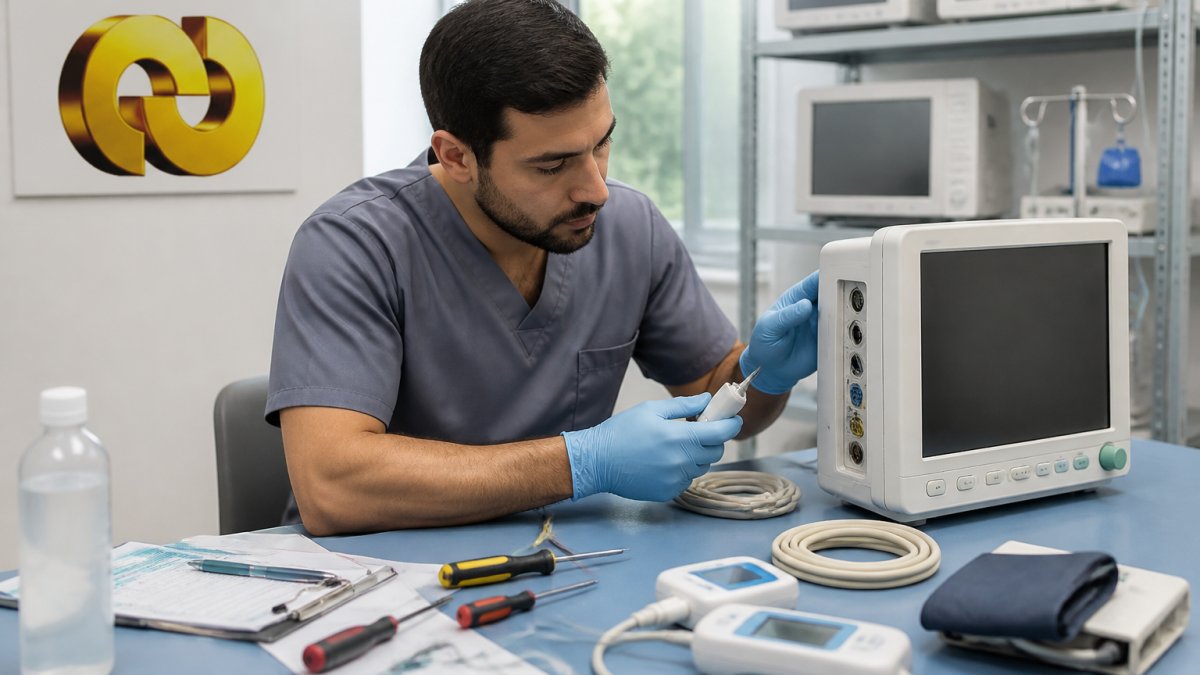
Pre-Delivery Verification
Before equipment ships to your facility, confirm these details:
- Purchase order match: Verify that the device model, serial number, and specifications match your order exactly
- Certifications and approvals: Confirm the device carries required certifications (FDA 510(k), CE marking, TGA approval, or equivalent for your region)
- Manufacturer documentation: Request and review the device history record, design specifications, and manufacturing controls documentation
- Quality records: Ask the supplier to provide evidence that the device passed manufacturing quality control testing
- Regulatory compliance: Confirm the manufacturer complies with applicable quality management system standards (ISO 13485 or equivalent)
- Shipping and handling: Verify that packaging and shipping methods protect the device from damage during transport
Document all pre-delivery verification in writing. This creates a traceability record that links the device to its compliance documentation.
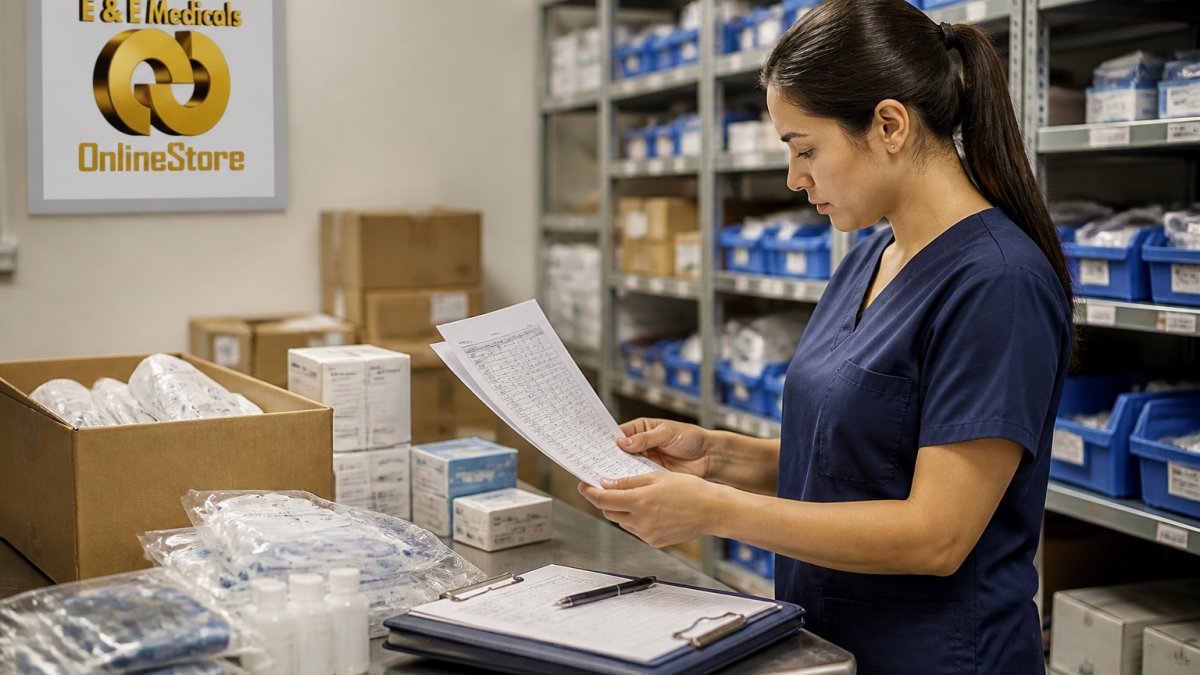
Upon Arrival: Physical Inspection
When equipment arrives, perform immediate physical inspection:
- Packaging condition: Check for signs of damage, water exposure, or rough handling
- Device appearance: Inspect for dents, cracks, corrosion, or contamination
- Completeness: Verify all components listed in the documentation are present and undamaged
- Labeling and markings: Confirm serial numbers, model numbers, and regulatory markings are legible and match documentation
- Accessories and consumables: Check that all included accessories, batteries, cables, and consumables are present and within expiration dates
- Documentation package: Verify you received user manuals, maintenance guides, calibration certificates, and test reports
Do not accept equipment that fails physical inspection. Contact the supplier immediately if you identify damage or missing components.
Functional Testing and Performance Assessment
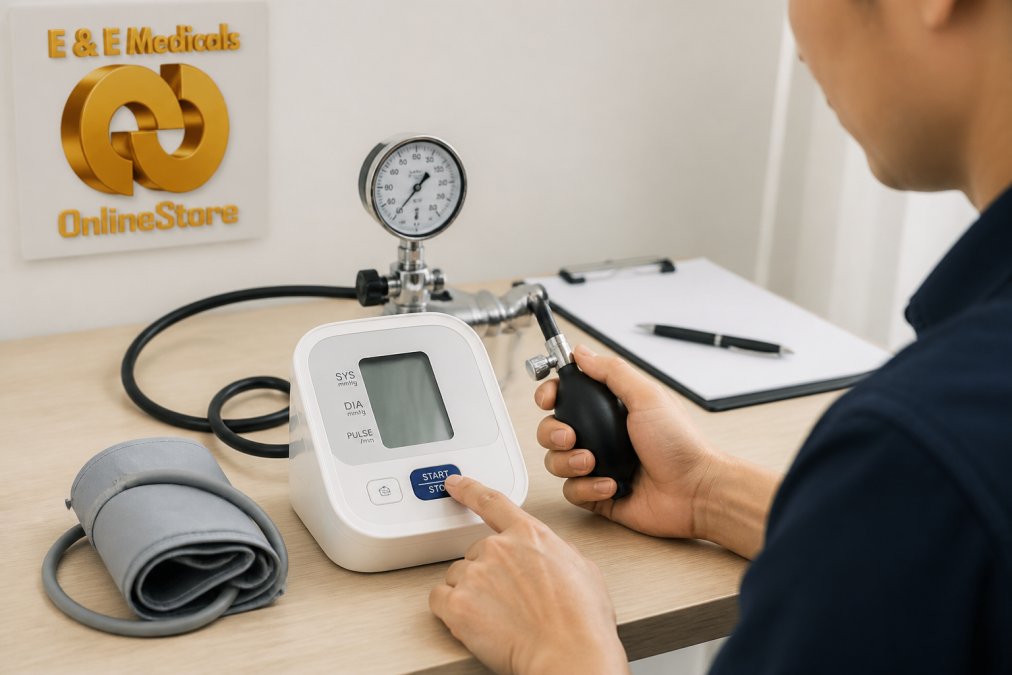
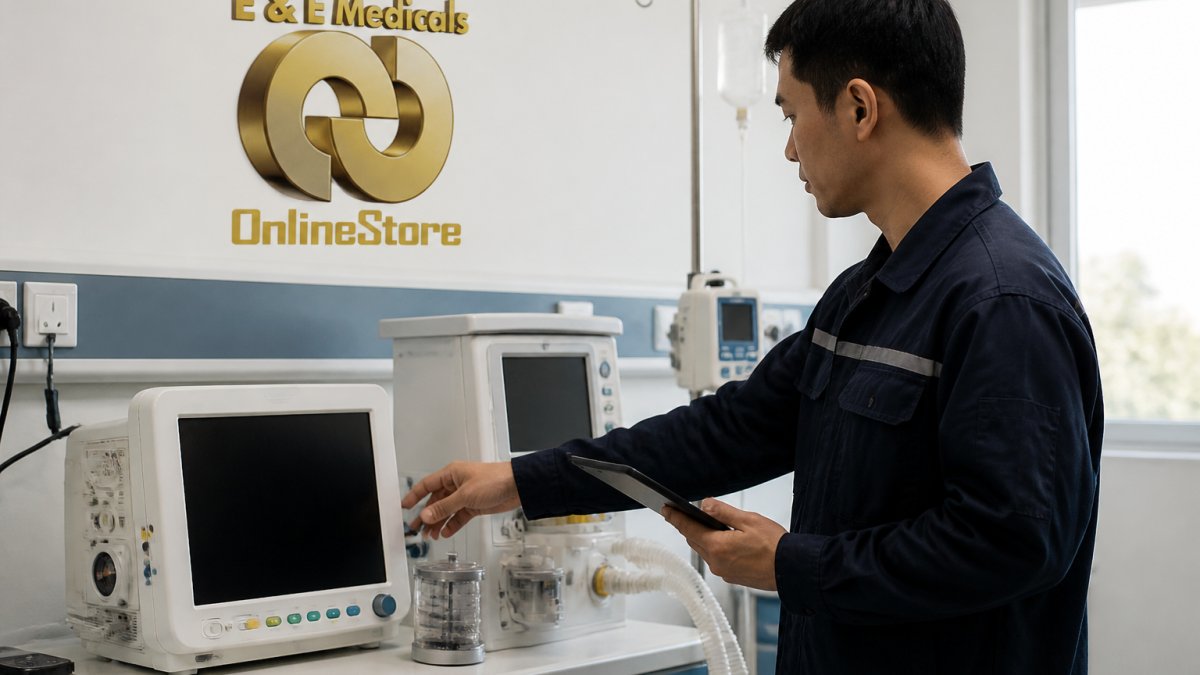
After physical inspection passes, perform functional testing:
- Power and basic operation: Turn on the device and confirm it powers up, displays no error messages, and responds to basic commands
- Performance against specifications: Run tests that confirm the device meets its published performance specifications (accuracy, speed, range, sensitivity)
- Safety features: Verify that safety mechanisms work (emergency stops, alarms, protective features)
- Software and displays: Confirm software loads correctly, displays function properly, and no error codes appear
- Connectivity: Test network connections, Bluetooth, USB ports, or other interfaces the device uses
- Documentation of results: Record all test results, including date, time, operator, pass/fail status, and any anomalies
If functional testing reveals problems, do not put the device into clinical use. Document the issues and contact the supplier or manufacturer.
Medical Equipment Safety Checklist and Acceptance Criteria
Safety verification is separate from general quality verification. Medical equipment must meet specific safety standards before clinical use.
Your acceptance criteria should address:
- Electrical safety: For powered devices, verify proper grounding, insulation, and electrical safety testing (IEC 60601 compliance for medical electrical equipment)
- Biocompatibility: For devices that contact patients, confirm materials are biocompatible and non-toxic
- Sterility and contamination: Confirm sterile devices remain sterile and non-sterile devices are clean and free from contamination
- Mechanical safety: Verify moving parts work smoothly, sharp edges are protected, and structural integrity is sound
- Software safety: Confirm software has been validated and poses no patient risk
- Infection control: Verify the device can be cleaned and disinfected according to your facility's protocols
Document your acceptance criteria in writing before equipment arrives. This prevents disagreements later about what "acceptable" means.
Medical Equipment Compliance Documentation Requirements
Compliance documentation is your proof that equipment meets standards. You need to know what documents to request and how to review them.
What to Review Before Purchase
Before committing to a purchase, request these documents from the supplier:
3M Elipar DeepCure-S LED Uithardingslamp →
- Regulatory approvals: FDA 510(k) clearance letter, CE technical file summary, TGA approval letter, or equivalent for your region
- Design documentation: Design specifications, design history file, risk management documentation
- Manufacturing controls: Manufacturing procedures, process validation documentation, supplier quality agreements
- Quality records: Test reports, inspection records, batch records showing the specific device passed quality control
- Clinical evidence: Clinical trial data, performance studies, or published evidence supporting safety and effectiveness claims
- Instructions for use: Complete user manual with safety warnings and maintenance requirements
- Traceability documentation: Device history record linking the specific serial number to manufacturing records
Review these documents carefully. They tell you whether the manufacturer followed quality standards and whether the device is appropriate for your intended use.
Calibration Certificates and Test Results
Calibration certificates prove that measurement devices are accurate. Test results prove that equipment performs as specified.
When reviewing calibration certificates:
- Calibration date: Confirm calibration is current (within acceptable intervals for your device type)
- Calibration standard: Verify the device was calibrated against recognized standards (NIST-traceable standards in the US, equivalent in other regions)
- Measurement range: Confirm calibration covers the range you'll actually use
- Uncertainty statement: Check the stated measurement uncertainty, it tells you the accuracy limits
- Next calibration due: Note when recalibration is required and plan accordingly
When reviewing test results:
- Test protocol: Confirm tests match the device's intended use and your clinical requirements
- Pass/fail criteria: Verify the criteria used are appropriate for your application
- Test data: Look for actual measurements, not just "pass" statements
- Signature and date: Confirm the results were signed by an authorized person and are current
- Traceability: Verify the results link to the specific serial number you're receiving
If documents are unclear or missing, ask for clarification before accepting the device.
Verifying Used, Refurbished, and Donated Medical Equipment
Used, refurbished, and donated equipment requires more rigorous verification than new devices. The manufacturing history may be incomplete, and the device may have been modified or repaired.
For used equipment:
- Complete history: Request documentation of all previous owners, users, and maintenance performed
- Condition assessment: Have the device inspected by a qualified technician who can identify wear, damage, or degradation
- Recalibration: Require recalibration by an accredited service before clinical use
- Software updates: Confirm any software is current and has not been modified
- Parts replacement: Verify that any replaced components are genuine and documented
For refurbished equipment:
- Refurbishment documentation: Request detailed documentation of what was repaired, replaced, or updated
- Quality testing: Confirm the refurbisher performed full quality testing and validation
- Warranty: Understand what warranty the refurbisher provides and for how long
- Regulatory compliance: Verify the refurbishment process meets regulatory requirements for your region (FDA remanufacturer rules in the US)
For donated equipment:
- Donor verification: Confirm the donor is a reputable organization and the equipment was properly maintained
- Condition assessment: Perform the same inspection as used equipment
- Regulatory status: Verify the equipment is approved for use in your region (some regions restrict use of older equipment models)
- Support and parts: Confirm you can still obtain service, repairs, and replacement parts
Never assume donated or used equipment is acceptable without verification. The cost of a verification failure far exceeds the savings from accepting equipment without proper checks.
Common Mistakes to Avoid When Verifying Equipment
Most verification failures stem from predictable mistakes. Avoid these pitfalls:
Skipping pre-delivery verification. Many facilities assume the supplier has already verified everything. They haven't. You're responsible for confirming specifications match your order and documentation is complete.
Accepting incomplete documentation. If you can't get calibration certificates, test reports, or regulatory approvals before delivery, don't accept the equipment.
Relying on visual inspection alone. Equipment can look perfect and still malfunction. Functional testing is essential.
Failing to document acceptance. If you don't document what you verified and when, you have no proof the equipment was acceptable at delivery.
Not training staff on verification requirements. If only one person understands the verification process, you're vulnerable when that person is unavailable.
Ignoring minor discrepancies. Small issues often signal larger problems.
Accepting equipment from unauthorized suppliers. Ensure your supplier is authorized by the manufacturer and has proper quality agreements in place.
When you verify medical equipment quality systematically, you protect your facility, your staff, and your patients.
Verifying medical equipment quality requires attention to detail and a commitment to standards.
Frequently Asked Questions
What are the key quality standards for medical devices?
Medical devices must comply with regulatory standards such as ISO 13485 for quality management systems and specific performance standards based on device classification. These standards ensure devices meet defined specifications, undergo proper manufacturing controls, and maintain traceability throughout their lifecycle. Healthcare facilities should verify that equipment carries certifications from recognized bodies and meets applicable regulatory requirements in their jurisdiction before purchase.
How do you verify medical device verification and validation during acceptance testing?
Acceptance testing confirms that equipment performs according to specifications after delivery. This involves running functional tests, checking measurement accuracy through calibration, and documenting performance against defined acceptance criteria. Verify that the device operates within specified ranges, all safety features function correctly, and results match manufacturer specifications. Keep detailed records of all test results and acceptance criteria met, as these form part of your quality records and device lifecycle documentation.
What should be included in medical equipment compliance documentation?
Critical documentation includes certificates of analysis, calibration certificates with measurement accuracy data, manufacturing records showing quality control steps, regulatory approvals (FDA, CE marking, or equivalent), material safety data sheets, test protocols with pass/fail criteria, and maintenance records. Review these documents before purchase to confirm the device underwent proper quality assurance and quality control. Maintain copies for your records to demonstrate compliance and support risk management efforts.
How can you identify if medical equipment is safe to use?
Check for current calibration certificates confirming measurement accuracy, review performance testing results against defined specifications, verify that all safety features operate correctly during functional testing, and confirm regulatory compliance documentation is present. Inspect equipment physically for defects or damage. For used or refurbished equipment, request complete service history and evidence of corrective action if repairs were performed. Document all findings using a medical equipment safety checklist to ensure consistent verification across your facility.