 blog
blog
10 Best Wound Care Kits for Surgical Recovery
Table of Contents
- What to Look for in a Wound Care Kit for Surgical Recovery
- Post-Surgery Wound Care Supplies: Core Components
- Wound Care Supplies Checklist for Home and Clinical Settings
- Bulk Wound Care Supplies for Healthcare Facilities
- Infection Prevention and Safe Dressing Changes
- How to Choose the Right Wound Care Kit for Your Needs
- Frequently Asked Questions
Last Updated: October 10, 2026
What to Look for in a Wound Care Kit for Surgical Recovery
Choosing the right kit from the 10 best wound care kits for surgical recovery depends on understanding what your incision needs at each healing stage. A quality kit contains sterile gauze, appropriate dressings, cleaning solutions, and protective barriers matched to your specific procedure type and wound severity.
The best wound care kits for surgical recovery combine essential components in one organized package, saving time during dressing changes and reducing contamination risk. When selecting a kit, consider surgery type, expected drainage level, and supply duration needed.
Essential wound care kit contents for different incision types
Different surgical procedures require different dressing strategies. Your surgeon should specify which dressing types suit your incision, but understanding the basics helps you evaluate kit completeness.
Sterile gauze pads absorb drainage and protect incisions. Transparent film dressings suit low-drainage wounds and allow monitoring without removal. Foam dressings handle moderate to heavy drainage. Alginate dressings, made from seaweed derivatives, excel at absorbing excess fluid while maintaining a moist healing environment.
Matching dressings to healing stages
Wound healing progresses through distinct phases: inflammatory (first few days, requiring frequent changes), proliferative (days 3-21, focusing on protection and moisture balance), and remodeling (weeks 3+, needing minimal intervention). A comprehensive wound care kit for surgical recovery includes dressings suited to multiple phases, preventing unnecessary changes that disrupt healing.
Post-Surgery Wound Care Supplies: Core Components
Your home recovery depends on having the right supplies within reach. The core components of any wound care kit include sterile gauze, specialized dressings, cleaning solutions, and protective barriers. Each component serves a specific function in preventing infection and supporting healing.
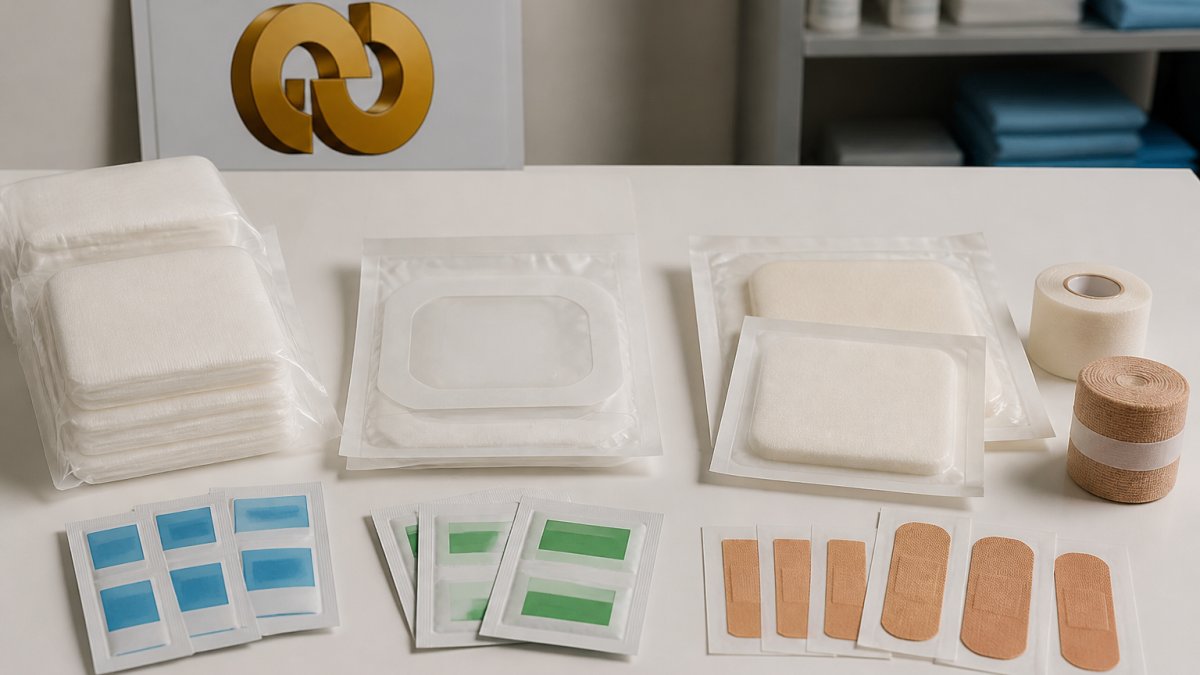
Sterile gauze, transparent film dressings, and foam dressings
Sterile gauze pads absorb drainage and protect incisions in various sizes. Standard 4×4 inch pads work for most incisions; 2×2 pads suit narrow wounds.
Transparent film dressings adhere to skin surrounding the incision, creating a waterproof barrier while allowing visibility. They work best for clean, low-drainage incisions, keeping bacteria out while maintaining moisture.
Foam dressings absorb moderate to heavy drainage without sticking to the wound, reducing pain during changes and preventing reopening. They handle the drainage common in the first week after surgery.
Cleaning and antiseptic solutions
Saline solution gently rinses away debris without irritating new tissue. Most wound care kits for surgical recovery include individually packaged antiseptic wipes containing chlorhexidine or povidone-iodine, which kill bacteria without damaging healing tissue. Always follow your surgeon's instructions on whether to clean the incision or keep it dry.
Wound Care Supplies Checklist for Home and Clinical Settings
A practical checklist ensures you have everything needed without overstocking or running short mid-recovery. However, home recovery and clinical facility management have fundamentally different supply needs and planning horizons.
Home recovery: Planning supplies for your specific timeline
For individual patients recovering at home, the checklist depends on your procedure type, expected recovery duration, and surgeon's dressing-change protocol.
Once you have these answers, calculate your actual supply needs:
Calculate supplies based on dressing-change frequency and duration. For daily changes over 10 days using one 4×4 gauze pad per change, you need 10 pads plus 5-10 extras. Heavy-drainage wounds requiring twice-daily changes need double quantities. Early recovery (days 1-7) uses absorbent gauze; mid-recovery (days 8-21) may shift to foam or transparent film; late recovery (weeks 3+) uses minimal dressings. A comprehensive home kit should include supplies for all phases.
Essential home recovery supplies:
- Sterile gauze pads (2×2 and 4×4 inches): 20-40 pads depending on dressing frequency
- Foam dressings (3×3 or 4×4 inches): 10-20 depending on drainage level
- Transparent film dressings (4×4 inches): 5-10 for low-drainage phases
- Saline solution: 1-2 bottles for gentle wound cleaning
- Antiseptic wipes (chlorhexidine or povidone-iodine): 20-40 individual packets
- Medical tape: 1 roll (standard width)
- Sterile gloves: 10-20 pairs (or more if a caregiver assists)
- Disposal container or sealed bag for used dressings
- Pain relief supplies (acetaminophen or ibuprofen as approved by your surgeon)
- Antibiotic ointment (if recommended by your surgeon)
If recovery extends 4-6 weeks, plan to purchase refill supplies before running out to avoid emergency pharmacy visits and higher costs. Keep your kit in a clean, dry location within arm's reach of your recovery area. Label it with your surgery date and expected end date.
Clinical settings: Volume purchasing and inventory management
A 50-bed facility might use 200-300 sterile gauze pads daily, requiring weekly or bi-weekly replenishment. Larger facilities track usage by unit to identify waste and prevent shortages. Many implement just-in-time ordering to minimize storage and expired supplies. Volume discounts apply when ordering cases; a facility purchasing 100 cases annually may negotiate 15-25% discounts. Facilities depend on suppliers who maintain consistent quality, meet regulatory standards, and deliver reliably.
Bulk Wound Care Supplies for Healthcare Facilities
Healthcare facilities face unique procurement challenges when managing wound care supplies across multiple departments and patient volumes. Bulk ordering reduces per-unit costs but requires accurate forecasting and reliable inventory management.
Volume purchasing and inventory management
Purchasing in bulk through a trusted supplier like E&E Medicals and Consulting Inc ensures consistent quality across all locations. Volume discounts apply when ordering cases rather than individual boxes, making bulk purchasing cost-effective even for smaller practices.
Inventory management becomes critical at scale. A 50-bed facility might use 200-300 sterile gauze pads daily, requiring weekly replenishment. Tracking usage by department helps identify waste or unusual consumption patterns. Many facilities implement just-in-time ordering to minimize storage space while ensuring supplies never run out.
Cost-effective sourcing without quality compromise
Bulk wound care supplies must meet clinical standards and infection prevention requirements. E&E Medicals and Consulting Inc offers affordable pricing without sacrificing quality standards. Professional-grade supplies undergo rigorous testing and meet industry compliance requirements. Fast delivery ensures facilities can reorder quickly if unexpected demand spikes.
Infection Prevention and Safe Dressing Changes
Proper technique during dressing changes prevents infection, the most serious post-surgical complication. Infection extends recovery time, increases healthcare costs, and can lead to sepsis if untreated.
Reducing infection risk during wound care
Wash hands thoroughly with soap and water for at least 20 seconds before touching wound care supplies. Put on sterile gloves immediately before handling the incision. Use sterile technique throughout: open supplies on a clean surface, never touch the wound with bare fingers, and discard any item dropped on a non-sterile surface. Change dressings on a clean, well-lit surface. Remove old dressings gently, inspect for infection signs (redness, warmth, swelling, pus, odor), clean with saline if approved, pat dry, and apply new dressings per your surgeon's protocol.
When to contact a clinician about surgical wounds
Contact your surgeon if you notice increased thick or foul-smelling drainage, fever above 101°F (38.3°C) in the first week, spreading redness, increasing warmth, severe swelling, worsening pain, incision separation (dehiscence), or signs of systemic infection (chills, malaise, rapid heartbeat).
How to Choose the Right Wound Care Kit for Your Needs
Selecting from the 10 best wound care kits for surgical recovery requires matching kit contents to your specific procedure and recovery timeline. Use these concrete criteria to compare kits fairly and avoid purchasing supplies twice.
Transparent product-selection criteria for comparing kits
When evaluating wound care kits, examine these specific factors side by side:
Verify that all dressings and gauze are individually sealed with expiration dates. Look for FDA clearance or equivalent regulatory approval (CE marking in Europe, TGA approval in Australia). Suppliers should clearly state sterilization method, typically ethylene oxide gas or gamma radiation.
Count the exact number of each dressing type included. Compare these numbers to your surgeon's expected dressing-change frequency.
Quality kits include printed step-by-step dressing-change instructions with diagrams addressing your specific wound type.
Verify that the kit includes the exact dressing types your surgeon recommended. Contact the supplier before purchasing to confirm product compatibility with your surgical team's protocol.
After surgery, you may have limited mobility. Examine whether dressing packages open easily without two hands or scissors. Individually wrapped supplies are easier to manage. Gloves should come in your size and open without excessive force.
Matching kit contents to procedure type and wound severity
Minor procedures (skin biopsies, small lesion removals) need 10-15 sterile gauze pads (2×2 inches), 5 adhesive bandages, antiseptic wipes, and medical tape for 7-10 days. Moderate procedures (small repairs, arthroscopy, uncomplicated cesarean) need 20-30 gauze pads, 10-15 foam dressings, 5-8 transparent film dressings, saline, antiseptic wipes, sterile gloves, and tape for 2-4 weeks.
Clean, low-drainage incisions benefit from transparent film dressings and need fewer changes (every 3-5 days). Moderate-drainage wounds require foam or alginate dressings changed daily. Heavy-drainage wounds need absorbent materials changed multiple times daily and may require drain management supplies. Ask your surgeon to estimate expected drainage level.
Cost and replacement-supply planning
Ask your surgeon for expected dressing-change frequency and duration, then verify the kit contains enough supplies. Check whether the supplier offers refill packs at reasonable prices. For extended recovery, budget for supplementary purchases or choose a larger kit upfront. If you have latex sensitivity or adhesive allergies, confirm the kit contains latex-free gloves and hypoallergenic adhesive before purchasing.
Evaluating supplier certifications and compliance standards
Professional-grade wound care supplies must meet regulatory requirements. Look for suppliers that provide documentation of FDA clearance or equivalent regulatory approval in your country. ISO 13485 certification indicates that the manufacturer maintains consistent quality standards across all production batches. ISO 9001 certification demonstrates overall quality management.
Reliable suppliers provide transparent information about product sourcing, sterilization methods, and quality testing. Ask suppliers directly: How do they verify sterility? What testing occurs before products reach customers? What is their return policy if supplies arrive damaged or expired? Reputable suppliers answer these questions promptly and provide supporting documentation.
Frequently Asked Questions
What should a post-surgery wound care kit include?
A complete post-surgery wound care kit should contain sterile gauze pads, primary and secondary dressings (foam or hydrocolloid), transparent film dressings for monitoring, antiseptic wipes, saline solution for cleaning, protective barriers, and adhesive tape. The exact contents depend on incision type and expected drainage. Many kits also include gloves, tweezers, and patient instruction cards. For surgical recovery, ensure all items are sterile and meet clinical standards for infection prevention.
How often should you change a surgical dressing?
Dressing change frequency depends on wound type and drainage level. Initial post-operative dressings may be changed within 24-48 hours, then every 2-3 days if drainage is minimal. Heavily draining wounds require daily changes. Follow your surgeon's specific instructions, as timing varies by procedure. Transparent film dressings can stay in place longer if the wound is dry and healing well. Always use aseptic technique and sterile supplies when changing dressings to reduce infection risk.
Can you use a first aid kit to care for a surgical incision?
Standard first aid kits are not suitable for surgical wound care. Surgical incisions require sterile, medical-grade supplies designed for post-operative recovery, including specialized dressings like hydrocolloid or foam options. First aid kits typically contain basic bandages insufficient for managing surgical drainage and healing stages. Healthcare professionals and home recovery settings need dedicated wound care kits with appropriate dressings, cleaning solutions, and protective barriers that meet clinical standards.
When should you contact a healthcare professional about a surgical wound?
Contact your clinician immediately if you notice increased redness, warmth, swelling, pus, or foul odor around the incision. Signs of infection, fever, or separation of wound edges require prompt medical attention. Excessive bleeding that doesn't stop with gentle pressure, or drainage that soaks through dressings rapidly, also warrant contact. Pain that worsens despite medication, or any signs of sepsis, are medical emergencies. Regular check-ins with your healthcare provider help catch complications early.