 listicle
7 Best Portable Pulse Oximeters for Home Health Nurses 2026
Table of Contents
- Quick Comparison: 7 Best Portable Pulse Oximeters for 2026
- 1. Nonin Onyx Vantage 9590: The Medical-Grade Fingertip Standard
- 2. Innovo Deluxe iP900AP: AARP's Best Overall Pick for 2026
- 3. Zacurate Pro Series 500DL: Best Budget Option for Home Visits
- 4. mibest OLED Finger Pulse Oximeter: Best Display for Low-Light Visits
- 5. VirtuOx Spot Fingertip Pulse Oximeter: Best for Exercise and Mobility Checks
- 6. HOLFENRY Pulse Oximeter: Best for Travel and Portable Spot Checks
- 7. Alecaremed YM301: Best for Regular Health Tracking
- How to Use a Pulse Oximeter Correctly During Home Visits
- Pulse Oximeter Accuracy and Limitations
- Pulse Oximeter With Alarm for Home Care
- Best Pulse Oximeter for Nurses: What to Look For
- Frequently Asked Questions
Last Updated: October 8, 2026
Quick Comparison: 7 Best Portable Pulse Oximeters for 2026
Choosing the right portable pulse oximeters for home health nurses comes down to accuracy, durability, and how the device handles real-world home visits.
This guide compares seven fingertip models that home health nurses actually reach for in 2026. We rank them by clinical reliability, ease of use, and value for money, not by marketing claims.
The quick table below gives you the short version before we break down each device.
| Device | Best For | Display | Price Signal |
|---|---|---|---|
| Nonin Onyx Vantage 9590 | Medical-grade accuracy | Standard LED | Premium |
| Innovo Deluxe iP900AP | Ease of use | Dual-color OLED | Mid-range |
| Zacurate Pro Series 500DL | Budget home visits | LED | Around $20 |
| mibest OLED Finger Pulse Oximeter | Low-light visits | OLED | Around $22 |
| VirtuOx Spot Fingertip | Exercise and mobility checks | LED | Mid-range |
| HOLFENRY Pulse Oximeter | Travel and spot checks | LED | Budget |
| Alecaremed YM301 | Regular health tracking | LED | Budget |
The 7 options we cover range from premium clinical devices to budget-friendly picks, so there is a fit for every caseload and budget.
1. Nonin Onyx Vantage 9590: The Medical-Grade Fingertip Standard
The Nonin Onyx Vantage 9590 is the device most home health nurses name when accuracy cannot be compromised. Wirecutter's pulse oximeter review describes it as a medical-grade fingertip option with FDA clearance, which matters when you are documenting oxygen saturation for a physician.
Where it wins is reliability. The readings hold steady on patients with poor circulation or cold hands, a common problem on morning visits.
The drawback is cost. This is the most expensive device on our list, and the supplied specifications do not include every detail a procurement team might want. For agencies that need one dependable device per nurse, though, the premium is easy to justify.
2. Innovo Deluxe iP900AP: AARP's Best Overall Pick for 2026
AARP named the Innovo Deluxe iP900AP its best overall pulse oximeter in 2026 testing, and that endorsement carries weight with clinical buyers. AARP reports accurate results and describes the design as easy to use, which is exactly what you want when a patient is holding the device themselves.
The dual-color OLED display shows readings clearly, and the perfusion index helps you judge whether a reading is trustworthy.
What most reviews miss is how much the perfusion index matters on home visits. A number that looks normal on a weak signal can mislead you, and this device flags that risk.
The one gap is price transparency. AARP does not publish a figure, so check current pricing before you order in bulk.
3. Zacurate Pro Series 500DL: Best Budget Option for Home Visits
For agencies watching every line item, the Zacurate Pro Series 500DL is the value pick. Health's best pulse oximeter roundup named it best overall, and the listed price sits at around $20.
That price makes it practical to equip an entire field team without a capital request. The fingertip format is simple, and the display is readable in most home settings.
The tradeoff is depth. The supplied results do not include detailed specifications or clinical-use validation, so we would treat this as a solid spot-check device rather than the one you rely on for critical documentation. For routine wellness visits, it does the job.
4. mibest OLED Finger Pulse Oximeter: Best Display for Low-Light Visits
Low-light visits are where the mibest OLED Finger Pulse Oximeter earns its place. Health lists it as its fitness pick, and the OLED screen stays readable in a dim bedroom where a standard LED display washes out. The listed price is around $22.
Home health nurses often work in rooms with a single lamp and curtains drawn. A display you can read at a glance saves time and reduces misreads.
The same caveat applies as with other budget devices: the supplied results do not provide detailed specifications or clinical validation. Use it for routine checks and confirm anything unusual with a second reading.
5. VirtuOx Spot Fingertip Pulse Oximeter: Best for Exercise and Mobility Checks
When a care plan includes mobility or exercise tolerance, the VirtuOx Spot Fingertip Pulse Oximeter is a practical choice. Sleeplay's pulse oximeter guide describes it as suitable for measuring oxygen levels at home and during exercise.
That dual use matters for nurses running six-minute walk tests or monitoring patients during rehab exercises. The fingertip format stays portable, and the device travels easily between visits.
The supplied results do not include a price or full specifications, so confirm both before you commit to a fleet order.
6. HOLFENRY Pulse Oximeter: Best for Travel and Portable Spot Checks
Nurses who cover a wide territory need a device that survives a bag. The HOLFENRY Pulse Oximeter is listed in Amazon's athletic and aviation pulse oximeter results, and the listing describes home, sports, and travel use, with batteries and a lanyard included.
That lanyard is a small detail that matters more than it sounds. Devices get dropped on doorsteps and lost between car seats, and a tether reduces both.
Accuracy information is limited in the supplied results, so treat this as a portable backup rather than a primary clinical device.
7. Alecaremed YM301: Best for Regular Health Tracking
For patients monitoring their own numbers between visits, the Alecaremed YM301 is a sensible recommendation. A 2026 product-review video named it the overall pick, with regular health tracking as the stated use case.
Nurses who teach patients self-monitoring need a device simple enough for daily use. This one fits that role.
Before recommending it for anything clinical, check the specifications and validation details, which the supplied results do not include.
How to Use a Pulse Oximeter Correctly During Home Visits
Correct technique matters more than the device you buy. A $200 oximeter gives misleading numbers if the finger is cold, painted, or moving.
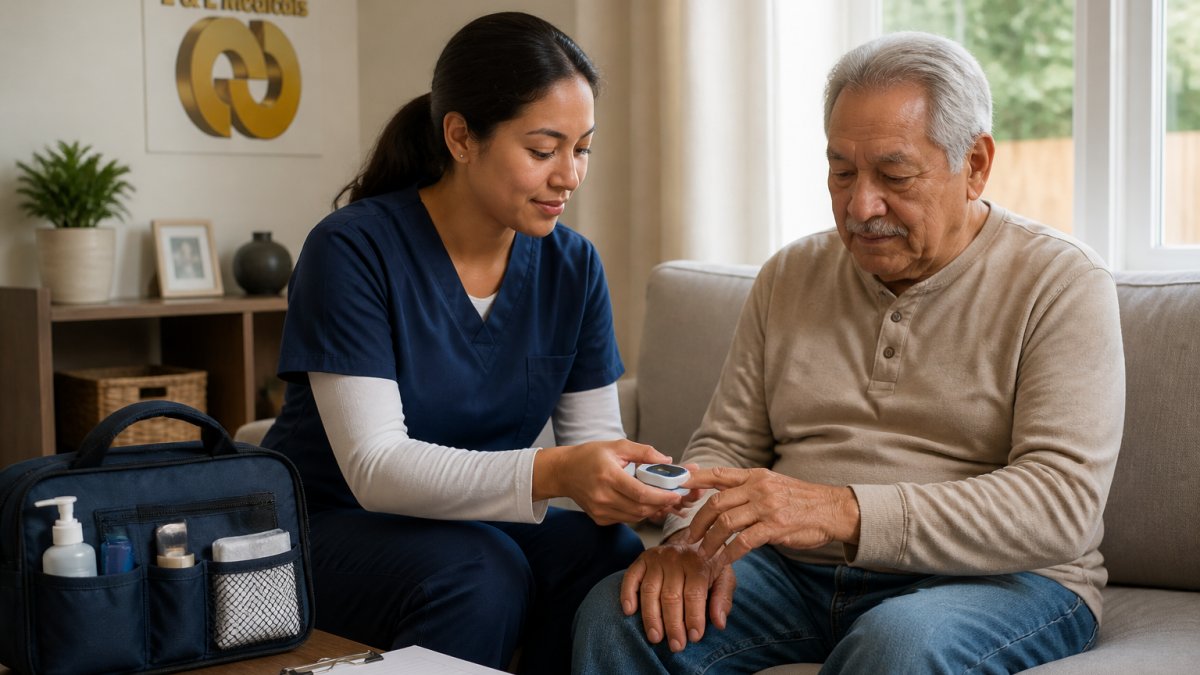
Follow this sequence on every visit:
- Warm the patient's hands if they feel cold, since poor circulation lowers readings
- Remove nail polish or artificial nails from the measuring finger
- Rest the hand at heart level and ask the patient to stay still
- Wait for the reading to stabilize, usually 10 to 30 seconds
- Confirm the pulse rate matches what you feel at the wrist
- Record the reading along with the perfusion index if the device shows one
A common mistake is accepting the first number that appears. Let it settle. If the reading seems low and the patient looks well, reposition and retest before you escalate.
Pulse Oximeter Accuracy and Limitations
Pulse oximeter accuracy depends on signal quality, not just the brand. Most fingertip devices carry an accuracy tolerance of a few percentage points, and that tolerance widens when perfusion is poor.
Several factors skew readings:
- Cold hands and poor circulation
- Dark nail polish or artificial nails
- Patient movement during measurement
- Bright ambient light hitting the sensor
- Poor probe fit on very small or very large fingers
A pulse oximeter is a screening tool, not a diagnosis. It tells you how well oxygen is binding to hemoglobin, not how well the lungs are ventilating. When a reading conflicts with how the patient looks, trust your clinical assessment and escalate.
Pulse Oximeter With Alarm for Home Care
A pulse oximeter with alarm adds a safety layer for patients who monitor overnight or live alone. The alarm sounds when oxygen saturation or pulse rate falls outside a set range, alerting the patient or a caregiver.
Not every device on this list includes an alarm function, and the supplied specifications do not confirm which models do. If alarm capability is a requirement for your care plan, verify it with the supplier before purchase.
For high-risk patients, an alarm-equipped device paired with a clear escalation plan gives families peace of mind and gives you a documented threshold for intervention.
Best Pulse Oximeter for Nurses: What to Look For
The best pulse oximeter for nurses balances four things: accuracy, display clarity, durability, and price. No single device wins on all four, so match the device to the visit type.
Use this checklist when you evaluate any model:
- FDA clearance stated for clinical use
- Perfusion index displayed alongside SpO2
- Display readable in low light
- Battery type and expected life confirmed
- Warranty terms in writing
- Alarm function if the care plan requires it
- Replacement cost low enough to stock spares
For agencies buying in volume, E&E Medicals and Consulting Inc offers professional-grade supplies with fast delivery and secure payment, so your field team stays equipped without procurement delays. Our pricing is available on our website, and we ensure a seamless procurement experience for your clinical needs.
Frequently Asked Questions
What should home health nurses look for in a portable pulse oximeter?
Focus on four things: FDA clearance if the device will inform clinical decisions, a clear display readable in varied lighting, a perfusion indicator to flag poor blood flow, and battery life that covers a full shift of home visits. Portability matters too, since nurses carry equipment between multiple homes daily. The best pulse oximeter for nurses balances clinical reliability with a size that fits in a standard visit bag.
Are fingertip pulse oximeters accurate enough for clinical use?
Medical-grade fingertip devices with FDA clearance are accurate enough for spot checks during home visits. Consumer models marketed for sports or aviation may not meet the same standards. Pulse oximeter accuracy and limitations vary by device, so check whether the manufacturer states a specific accuracy range, typically within a few percentage points of a reference value, before relying on readings for clinical decisions.
Can nail polish or cold hands affect pulse oximeter readings?
Yes. Dark nail polish, artificial nails, and cold hands can all interfere with the light-based measurement and produce unreliable readings. Remove polish or use an alternate site if the reading seems off. Warm the patient's hands first, since poor circulation from cold reduces signal quality. These steps are part of how to use a pulse oximeter correctly and prevent false low readings during home visits.
How do nurses verify a pulse oximeter reading?
Wait for the reading to stabilize, usually 10 to 30 seconds, then confirm the pulse rate shown matches a manually counted pulse. Check that the perfusion indicator shows adequate signal. If the reading seems inconsistent with the patient's condition, reposition the sensor, try a different finger, or warm the hand and retest. Comparing readings across visits helps spot trends that a single measurement might miss.
What is the difference between a consumer and a medical-grade pulse oximeter?
Medical-grade devices carry FDA clearance and are validated against specific accuracy standards for clinical use. Consumer models sold for sports, aviation, or general wellness may not have that clearance or publish accuracy data. For home health nurses, a pulse oximeter with alarm functions and documented accuracy is worth the higher cost because readings may guide care decisions like whether to escalate a patient's condition.
Equipping a home health team means balancing clinical accuracy against a budget that has to stretch across every visit. E&E Medicals and Consulting Inc supplies professional-grade diagnostic equipment with fast delivery, secure payments, and affordable pricing built for healthcare procurement. Browse our range of portable pulse oximeters and clinical supplies to keep your nurses ready for every home visit. Shop with E&E Medicals and Consulting Inc and equip your team with dependable tools.