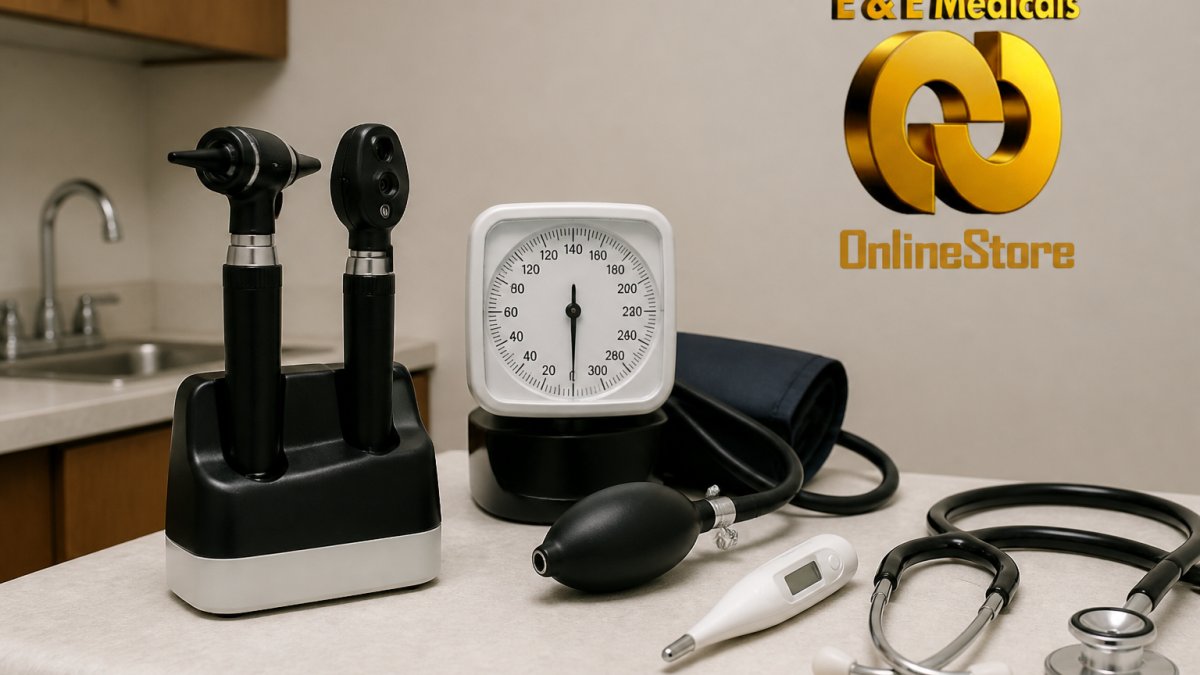
 listicle
Best Diagnostic Equipment for Practices
Table of Contents
- Best Diagnostic Equipment for Practices: A Comparison Guide
- Quick Comparison Table
- How to Choose Diagnostic Scanners for Clinics
- Medical Equipment Maintenance Best Practices
- 3M Attest Biological Indicators for Practices
- Lifecycle Cost Analysis and ROI
- Regulatory Compliance and Certification Standards
- Selection Criteria: What We Evaluated
- Frequently Asked Questions
Last Updated: September 28, 2026
Best Diagnostic Equipment for Practices: A Comparison Guide
Selecting the right diagnostic equipment for practices directly impacts clinical efficiency, patient outcomes, and your bottom line. This guide covers essential equipment categories, selection criteria, and cost considerations for upgrading your diagnostic capabilities.
The challenge is finding the right fit for your workflow, budget, and patient population. Many practices overspend on unused features or compromise accuracy to save upfront costs. True cost extends beyond purchase price to include maintenance, calibration, training, and replacement.
Quick Comparison Table
| Equipment Type | Best For | Key Consideration | Typical Workflow Impact |
|---|---|---|---|
| Diagnostic Scanners | Comprehensive system analysis | Clinical workflow integration | Faster diagnosis, reduced patient wait times |
| ECG Monitors | Cardiac screening | Portability and connectivity | Real-time data capture for remote monitoring |
| Glucometers | Point-of-care testing | Ease of operation | Immediate results for routine screening |
| Biological Indicators | Sterilization validation | Calibration frequency | Infection prevention and compliance |
How to Choose Diagnostic Scanners for Clinics
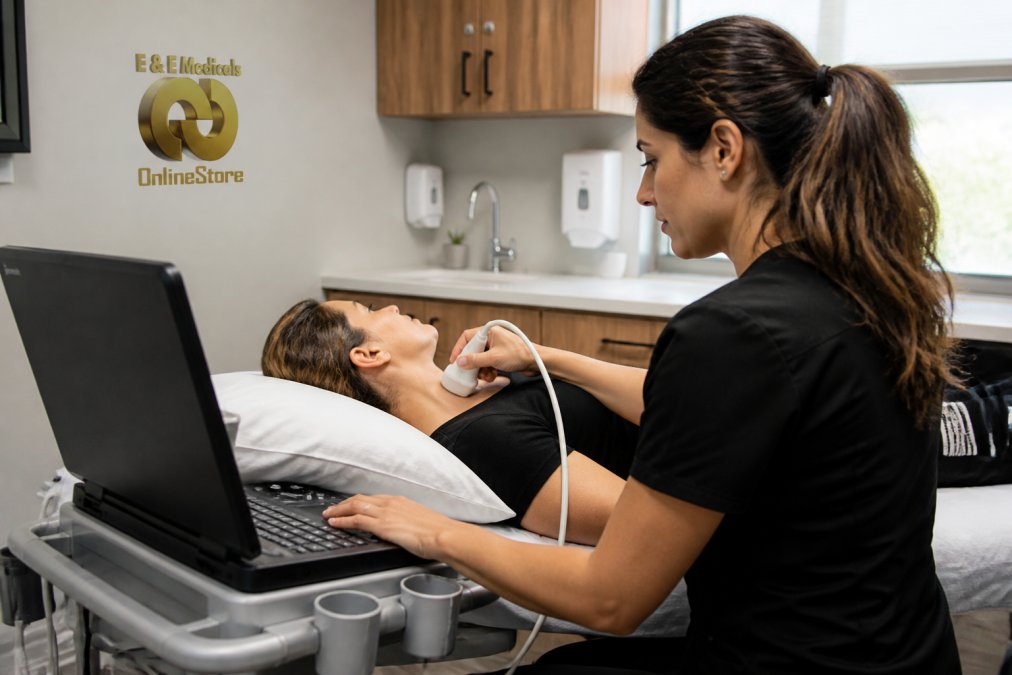
Diagnostic scanners enable rapid, accurate system analysis that drives faster diagnosis. However, "diagnostic scanner" encompasses multiple distinct technologies suited to different workflows and practice sizes. Understanding these modalities is essential before comparing models.
Diagnostic Modalities and Their Clinical Applications
Digital radiography (DR) systems replace film-based X-ray with direct digital capture, reducing exposure time and eliminating darkroom delays. They integrate with EHR platforms via DICOM standards.
Ultrasound scanners vary dramatically in capability and cost. Entry-level portable units suit point-of-care screening; high-end systems with 3D/4D imaging justify investment only for high-volume or specialized practices.
Computed tomography (CT) scanners represent a significant capital commitment and are typically limited to larger practices, imaging centers, or hospitals. However, newer cone-beam CT (CBCT) systems designed for dental and maxillofacial imaging occupy less space, making them viable for specialized surgical practices.
Magnetic resonance imaging (MRI) systems are rarely purchased by individual practices due to cost, space requirements, and regulatory complexity. Most practices refer MRI cases to imaging centers or hospitals.
Key Technical Specifications to Compare
When evaluating scanners within a modality, focus on specifications that directly impact clinical workflow and diagnostic confidence:
Image Resolution and Sensitivity: For DR systems, 12-16 megapixel sensors are standard; 20+ megapixels add minimal clinical benefit for most practices. For ultrasound, frame rates above 60 Hz are rarely necessary for general imaging but matter for cardiac or vascular assessment.
Processing Speed and Reconstruction Time: Modern DR systems should deliver reconstructed images in 2-3 seconds; 8-10 seconds creates workflow bottlenecks.
High-End vs. Mid-Range vs. Budget Models: Decision Framework
The decision between price tiers depends on three factors: patient volume, case complexity, and available capital.
Clinical Workflow Integration
Equipment that connects seamlessly to your EHR eliminates manual data entry, reduces errors, and speeds reporting. Test data export capabilities and verify the system supports standard formats (JPEG, PNG for reports; DICOM for archival). Proprietary formats lock images and complicate specialist sharing or vendor transitions.
Diagnostic Accuracy and Specificity
Higher specificity reduces false positives and unnecessary follow-up testing; better sensitivity catches true cases and prevents missed diagnoses. Request validation data from manufacturers showing performance on your specific clinical cases, as published studies may not reflect your practice environment or patient population.
Medical Equipment Maintenance Best Practices
Diagnostic equipment requires systematic care to maintain accuracy and extend useful life. Establish a preventive maintenance schedule aligned with manufacturer recommendations to prevent accuracy drift that occurs naturally over time.
Calibration and Preventive Maintenance
Calibration verifies that equipment produces accurate readings against known standards and must happen regularly based on equipment type and usage volume. Develop a maintenance log documenting service events, calibration checks, and repairs to support compliance audits and identify end-of-life patterns.
Warranty Coverage and OEM-Level Support
Standard manufacturer warranties cover parts and labor for 1-2 years. Extended warranty programs and OEM-level coverage add cost but provide predictable maintenance expenses and priority support. If your practice lacks in-house biomedical expertise, OEM-level support becomes more valuable for expert diagnostics and repair.
3M Attest Biological Indicators for Practices
Biological indicators validate that sterilization processes eliminate pathogens, a critical compliance requirement. E&E Medicals and Consulting Inc supplies 3M Attest biological indicators, which use self-contained units that incubate rapidly and provide clear pass/fail results in hours rather than days, allowing practices to confidently validate sterilization protocols and document compliance.
Lifecycle Cost Analysis and ROI
Purchase price represents only one component of total cost of ownership. A scanner might cost significantly more over its useful life when factoring in maintenance, calibration, training, and replacement. Many practices make decisions based on sticker price alone, then discover hidden costs that erode profitability.
The True Cost of Ownership: A Calculation Framework
TCO = Purchase Price + Installation + Training + (Annual Maintenance × Years) + (Annual Calibration × Years) + (Repair Costs × Years) + Software Subscriptions − Productivity Gains
Break down each component:
Initial Capital Costs: Equipment purchase, installation labor ($600-$2,400), infrastructure modifications ($500-$3,000), and software licenses ($500-$2,000).
Real-World TCO Examples
Example 1: Digital Radiography System for General Practice
A mid-range DR system has a total cost over 10 years including maintenance, calibration, repairs, and training. Productivity gains can yield a lower net cost annually.
Example 2: Ultrasound Scanner for Cardiology Practice
Payback Period and Break-Even Analysis
Payback period is the number of years required for productivity gains to offset equipment investment. Equipment with payback under 3 years is strong; 3-5 years is acceptable; over 5 years requires careful justification. For diagnostic equipment, clinical capability and patient safety often drive ROI more than labor savings alone.
Warranty, Extended Coverage, and Maintenance Contracts
Standard Warranty (1-2 years): Covers manufacturer defects; after expiration, repairs are pay-per-incident.
Regulatory Compliance and Certification Standards
Diagnostic equipment must meet regulatory standards specific to your jurisdiction. In the United States, many diagnostic tools fall under FDA Class II (moderate risk), requiring 510(k) clearance. Some equipment requires additional certifications from CLIA or CAP. Maintain records showing equipment meets current standards and validation testing requirements. International standards like ISO 13485 increasingly influence selection, especially for multi-country operations.
Selection Criteria: What We Evaluated
When assessing diagnostic equipment options, we prioritized factors that directly affect clinical practice:
- Diagnostic accuracy and clinical sensitivity, Does the equipment reliably identify true positives while minimizing false results?
- Clinical workflow integration, Does it connect seamlessly to your EHR and existing systems?
- Ease of use and training requirements, Can your staff operate it confidently after standard training?
- Maintenance and calibration burden, What's the realistic time and cost to keep it accurate?
- Warranty and support options, Can you get help when something goes wrong?
- Lifecycle cost analysis, What's the true cost of ownership over the equipment's useful life?
- Regulatory compliance, Does it meet your jurisdiction's standards and accreditation requirements?
- Scalability, Can the system handle your current volume and support future growth?
Frequently Asked Questions
What are the most essential diagnostic tools for a primary care practice?
Essential diagnostic equipment varies by specialty but typically includes ECG machines for cardiac assessment, blood glucose monitors for metabolic screening, and imaging scanners for comprehensive diagnostics. The choice depends on your patient population and clinical workflow. Prioritize tools that improve diagnostic accuracy and patient outcomes while integrating seamlessly with your electronic health records system. Budget for calibration, maintenance, and staff training to ensure optimal performance.
How do you determine the quality of medical diagnostic equipment?
Quality is measured through diagnostic sensitivity and specificity, regulatory certifications, clinical validation, and real-world performance data. Verify that equipment meets compliance standards for your jurisdiction and has OEM-level coverage for technical support. Check user reviews from similar practices and request references from current users. Assess the manufacturer's track record on software updates and whether they provide data-driven insights through their diagnostic interface.
What is the importance of regular calibration for diagnostic instruments?
Regular calibration ensures diagnostic accuracy and maintains compliance with clinical standards. Calibration verifies that your equipment delivers reliable results within specified tolerances, directly affecting patient outcomes. Most diagnostic tools require calibration at manufacturer-recommended intervals, typically annually or after heavy use. Failure to calibrate can lead to false results, patient safety risks, and regulatory violations. Include calibration costs in your lifecycle cost analysis when selecting equipment.
Which diagnostic tools offer the best return on investment for small practices?
ROI depends on patient volume, specialty focus, and throughput requirements. Mid-range diagnostic scanners often deliver better value than premium systems for small practices, offering strong diagnostic accuracy without excessive complexity. Calculate lifecycle costs including maintenance, calibration, software updates, and staff training. Tools with remote diagnostics capability and cloud-based data storage reduce downtime and improve clinical efficiency. Compare warranty coverage and technical support costs across vendors, as these significantly impact total cost of ownership.
How does 3M Attest integration improve diagnostic sterilization standards?
3M Attest biological indicators are used in sterilization validation to confirm that sterilization processes effectively eliminate pathogens. Integration with your diagnostic equipment and quality assurance protocols ensures that instruments used in patient diagnostics are properly sterilized, maintaining infection prevention standards. Regular use of biological indicators provides data-driven verification of sterilization efficacy. This is especially critical for diagnostic equipment that contacts patients or requires sterile components, supporting compliance with clinical safety regulations and best practices in preventive maintenance.