 comparison
Alternatives to Standard Clinical Thermometers
Table of Contents
- Quick Comparison: Top Alternatives to Standard Clinical Thermometers
- Types of Medical Thermometers: Beyond the Standard Oral Model
- Infrared Thermometer for Clinical Use: How It Works and Where It Fits
- Clinical Thermometer Accuracy Standards: What to Verify Before Buying
- How to Choose a Clinical Thermometer for Your Facility
- Pros and Cons of Each Alternative Thermometer Type
- Frequently Asked Questions
Last Updated: October 12, 2026
Quick Comparison: Top Alternatives to Standard Clinical Thermometers
Purchasing teams searching for alternatives to standard clinical thermometers usually want the same three things: speed, hygiene, and readings they can defend in a chart. At E&E Medicals and Consulting Inc, we supply clinical buyers who ask for exactly that mix, and the five models below cover the range from budget-friendly ear units to smart temporal devices. The exact keyword matters less than the workflow: a no-touch forehead unit suits triage queues, while a tympanic model suits single-patient exams.
Here is how the options stack up on price and core capability.
| Thermometer | Measurement Site | Price | Best For |
|---|---|---|---|
| Veridian Tympanic Ear Thermometer | Ear canal | $34.05 | High-volume triage |
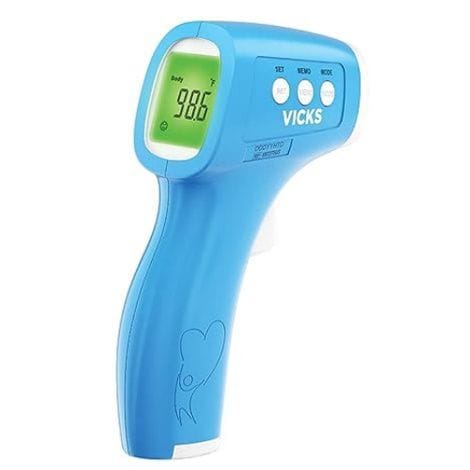
| Vicks Non Contact Infrared Body Thermometer | Forehead, no touch | $66.76 | Shared waiting areas |
| Kaz Braun ThermoScan 5 Ear Thermometer | Ear canal | $90.42 | Pediatric and general exam |
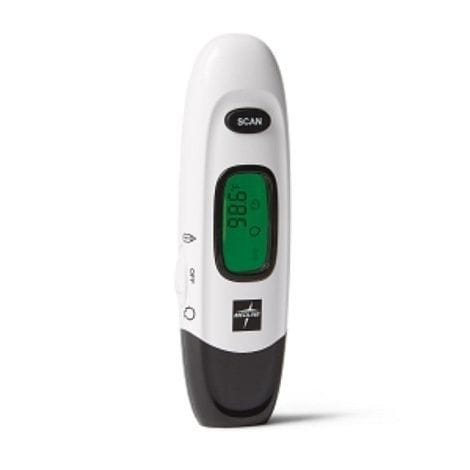
| Medline Infrared No-Touch Forehead Thermometer | Forehead, no touch | $93.99 | Color-coded screening |
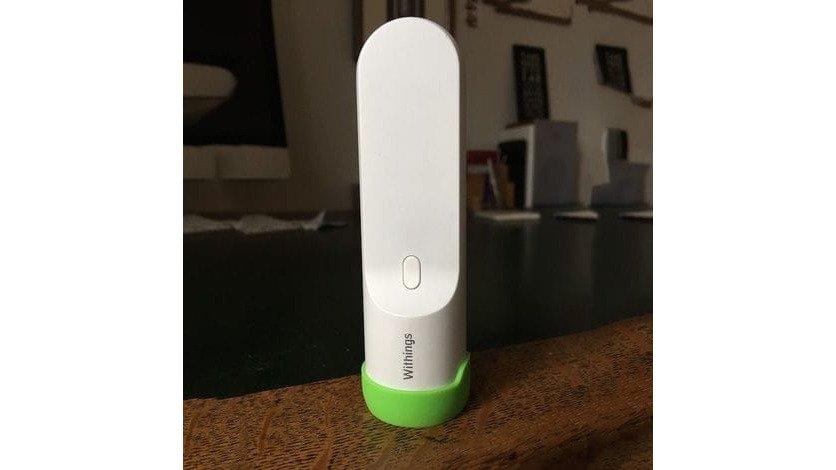
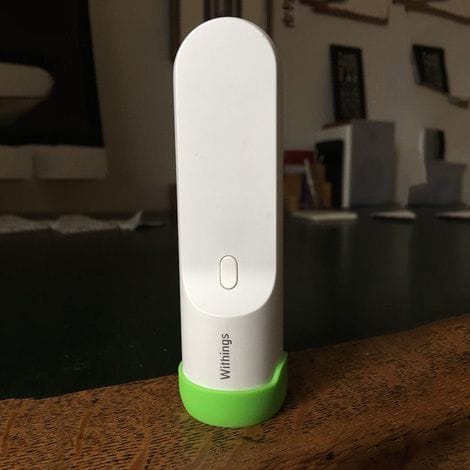
| Withings Thermo Smart Temporal Clinical Thermometer | Temporal artery | $141.19 | Record-keeping workflows |
The pattern is consistent: ear and temporal devices cost more than a basic oral unit because the sensor and the housing do more work.
Types of Medical Thermometers: Beyond the Standard Oral Model
The main types of medical thermometers differ by where they read temperature: the ear canal, the temporal artery, or the skin surface from a short distance. Each site has different trade-offs in speed, comfort, and how much contact the device makes with the patient.
Tympanic (Ear) Thermometers
Tympanic thermometers read infrared energy from the eardrum and surrounding tissue. The Braun ThermoScan 5 uses a pre-warmed tip and a memory function, and its readings are described as consistent with rectal measurements, which remain the reference standard. The Veridian Tympanic model returns a readout in one second and stores the last 10 readings, which helps when you are charting several patients in sequence.
Temporal Artery Thermometers
Temporal artery thermometers slide across the forehead over the temporal artery. The Withings Thermo Smart Temporal unit measures the infrared energy emitted from the skin surface and converts it to an oral equivalent temperature, which is the number most charts expect. It works on patients of all ages, which simplifies stocking decisions for mixed-age facilities.
Non-Contact Infrared Thermometers
Non-contact infrared thermometers read surface temperature from a short distance without touching the patient. The Vicks unit is touch-free and uses a color-coded display that glows green, yellow, or red, and the Medline No-Touch model adds a backlit LCD with red, green, and blue indicators for fever, normal, and in-progress readings.
Infrared Thermometer for Clinical Use: How It Works and Where It Fits
An infrared thermometer for clinical use measures the infrared energy a surface emits and converts it into a temperature reading, which is why it never needs to touch the patient. That single design choice is what makes these devices useful in shared spaces.
Where they fit best:
- Triage and entry screening: no-touch models reduce contact between patients and staff.
- Sleeping or resting patients: the Vicks unit takes readings without waking a sleeping child.
- High-turnover exam rooms: a one-second ear readout keeps the room moving.
What most guides miss is that no-touch screening is a filter, not a diagnosis. A forehead reading that flags a fever still needs a confirmatory measurement before it goes in the chart.
Clinical Thermometer Accuracy Standards: What to Verify Before Buying
Clinical thermometer accuracy standards are the specifications a device must meet before a facility should treat its readings as chartable. Buyers should verify three things before committing to a model.
First, confirm the measurement site the device is validated for. A temporal unit that converts to an oral equivalent is doing something different from a forehead unit that reports surface temperature, and the two numbers are not interchangeable.
Second, check the display logic. Color-coded output, as found on the Vicks and Medline models, speeds up interpretation, but staff still need to know the thresholds behind each color.
Third, confirm the reading memory. The Veridian unit stores 10 readings and the Braun unit includes a memory function, which matters when you are reconciling a shift's worth of measurements.
For regulatory context on device classification and marketing requirements, the FDA guidance on thermometer devices is worth reading before you finalize a specification. Buyers in other markets should check their own regulator's equivalent guidance.
Medline Infrared No-Touch Forehead Thermometer →
How to Choose a Clinical Thermometer for Your Facility
How to choose a clinical thermometer comes down to four questions, and answering them in order usually settles the decision.
- What does your protocol require? If readings must convert to an oral equivalent, narrow to temporal or ear models.
- How many patients per hour? Above roughly 20, prioritize one-second readouts and memory recall.
- How much contact is acceptable? Shared waiting areas and pediatric wards favor no-touch.
- What is your per-unit budget across all rooms? Multiply by room count before choosing the premium option.
E&E Medicals and Consulting Inc stocks all five models above, so a facility can standardize on one or two types instead of sourcing from multiple vendors. Our guidance on infection control in healthcare settings is not the only reference worth consulting, but hygiene protocols should drive the contact question before price does.
Pros and Cons of Each Alternative Thermometer Type
Each type solves a different problem, and none of them wins on every measure.
Veridian Tympanic Ear Thermometer ($34.05). Pros: one-second readout, 10-reading memory, backlit display, lowest cost per unit. Cons: requires probe covers, and technique affects the reading.
Vicks Non Contact Infrared Body Thermometer ($66.76). Pros: touch-free, reduces germ transfer, color-coded display. Cons: surface readings need confirmation for charting.
Kaz Braun ThermoScan 5 Ear Thermometer ($90.42). Pros: pre-warmed tip, audible fever alarm, memory function, readings consistent with rectal measurement. Cons: higher cost, and earwax or ear position can skew results.
Medline Infrared No-Touch Forehead Thermometer ($93.99). Pros: backlit LCD, red/green/blue indicators, Celsius or Fahrenheit, built for clinical settings. Cons: no-touch screening still needs a second measurement for accuracy.
Withings Thermo Smart Temporal Clinical Thermometer ($141.19). Pros: temporal artery site, oral-equivalent output, suitable for all ages. Cons: highest price, and it needs skin contact over the artery.
The honest summary: the Veridian wins on cost, the Braun wins on clinical confidence, and the Withings wins on record-keeping. Buy the one that matches your protocol, not the one with the longest feature list.
Facilities that standardize on the wrong thermometer type end up re-buying within a year, which is a cost no procurement team wants to explain. E&E Medicals and Consulting Inc carries the full range of alternatives to standard clinical thermometers, with fast delivery, secure payments, and pricing that keeps professional-grade diagnostics within reach for practices of every size. Shop the diagnostics range at E&E Medicals and Consulting Inc and equip every exam room with a device that fits how your team actually works.
Frequently Asked Questions
What are the alternatives to standard clinical thermometers?
The main alternatives to standard oral or rectal clinical thermometers are tympanic (ear) thermometers, temporal artery thermometers, and non-contact infrared thermometers. Tympanic models like the Veridian Tympanic Ear Thermometer provide 1-second readings. Temporal artery options such as the Withings Thermo Smart Temporal Clinical Thermometer measure infrared energy over the temporal artery. Non-contact infrared thermometers, including the Medline Infrared No-Touch Forehead Thermometer, minimize patient contact and reduce cross-contamination risk.
Are infrared thermometers accurate enough for clinical use?
Infrared thermometers for clinical use are designed to meet accuracy standards when used correctly. The Braun ThermoScan 5 Ear Thermometer, for example, produces readings consistent with rectal temperature measurements, which are considered the gold standard. Non-contact models like the Vicks Non Contact Infrared Body Thermometer allow for clinically accurate, reliable readings without waking a sleeping child. Accuracy depends on proper positioning, ambient temperature, and following the manufacturer's instructions for each device.
What types of thermometers are used by healthcare professionals?
Healthcare professionals commonly use tympanic (ear), temporal artery, and non-contact infrared thermometers alongside traditional oral and rectal models. Ear thermometers like the Kaz Braun ThermoScan 5 are popular for their speed and consistency with rectal readings. Temporal artery devices such as the Withings Thermo offer touch-mode measurement over the temporal artery. Non-contact infrared options like the Medline No-Touch Forehead Thermometer are used in triage and isolation settings to reduce contact.
How do digital and infrared clinical thermometers compare?
Digital thermometers require direct contact and typically take 30 seconds to several minutes for a reading. Infrared thermometers, including tympanic and non-contact models, measure infrared energy emitted from the skin or eardrum and deliver results in 1 to 3 seconds. Infrared options reduce cross-contamination risk and are easier to use with sleeping patients. However, proper technique matters more with infrared devices; incorrect positioning can affect accuracy. Both types can meet clinical thermometer accuracy standards when used as directed.
How should clinical thermometers be cleaned and maintained?
Cleaning depends on the thermometer type. Tympanic thermometers like the Veridian Tympanic Ear Thermometer require a new probe cover for each patient. Non-contact infrared models such as the Vicks Non Contact Infrared Body Thermometer need only a wipe-down of the exterior with a disinfectant wipe between uses. Temporal artery devices should have the sensor lens cleaned gently per the manufacturer's instructions. Always follow the device's manual for approved cleaning agents to avoid damaging sensors.