 How-to
Choosing Professional Grade Diagnostic Equipment
Last Updated: October 23, 2026
Quick Summary
Professional grade diagnostic equipment must meet rigorous quality standards, integrate with your existing systems, and deliver reliable performance under clinical pressure. Selecting the right equipment requires systematic evaluation of your clinical needs, quality certifications, total cost of ownership, and supplier reliability to ensure sustainable clinical excellence.
- Define your clinical scope and diagnostic functions before comparing equipment options to prevent overinvestment in unused features.
- Verify that equipment holds relevant third-party certifications such as FDA clearance or ISO standards for your specific diagnostic applications.
- Calculate total cost of ownership across the equipment lifecycle, including maintenance, training, software updates, and support services.
- Validate equipment performance against your clinical standards before deployment to ensure accurate readings and prevent patient safety risks.
- Prioritize suppliers who demonstrate consistent delivery reliability and can support seamless integration with your existing systems.
Table of Contents
- Why Professional Grade Diagnostic Equipment Matters
- Assess Your Diagnostic Needs Before Comparing Tools
- Diagnostic Equipment Quality Standards and Certifications
- Medical Device Accuracy and Calibration Requirements
- Medical Equipment Purchasing Checklist for Healthcare Professionals
- Medical Equipment Cost of Ownership and Total Value
- Vendor Reliability, Delivery, and Integration
- Frequently Asked Questions
Why Professional Grade Diagnostic Equipment Matters
Healthcare professionals face a critical decision when selecting diagnostic equipment. The tools you choose directly impact patient outcomes, operational efficiency, and your bottom line. Equipment that meets professional-grade standards provides accurate readings, integrates smoothly with existing workflows, and delivers reliable performance under clinical pressure. Poor choices lead to misdiagnosis, wasted time troubleshooting, and staff frustration.
The stakes are high. A diagnostic tool that fails during a critical patient assessment creates liability and erodes staff confidence. Equipment that doesn't integrate with your existing systems forces manual workarounds, consuming hours each week. Purchasing decisions made without proper evaluation often result in costly replacements within 2-3 years. This guide walks you through a systematic approach to selecting the right professional grade diagnostic equipment for your specific clinical environment.
Assess Your Diagnostic Needs Before Comparing Tools
Evaluating professional grade diagnostic equipment starts with honest assessment of your clinical scope. Too many teams rush to compare features before understanding what they actually need. This creates misalignment between investment and utility.
Define your clinical scope and use cases
Your clinical scope determines which equipment categories matter most. A cardiology practice needs different diagnostic capabilities than an urgent care center. A hospital system managing multiple departments requires equipment that scales across different use cases.
Document your specific diagnostic needs:
- Which patient populations do you serve?
- What clinical conditions require diagnostic assessment?
- How many patients move through your workflow daily?
- Which diagnostic functions are non-negotiable versus nice-to-have?
For example, a primary care practice might prioritize portable diagnostic equipment that supports rapid patient triage. A specialty clinic might need advanced diagnostic capabilities for complex cases. A hospital system might require equipment that integrates with multiple electronic health record systems across departments.
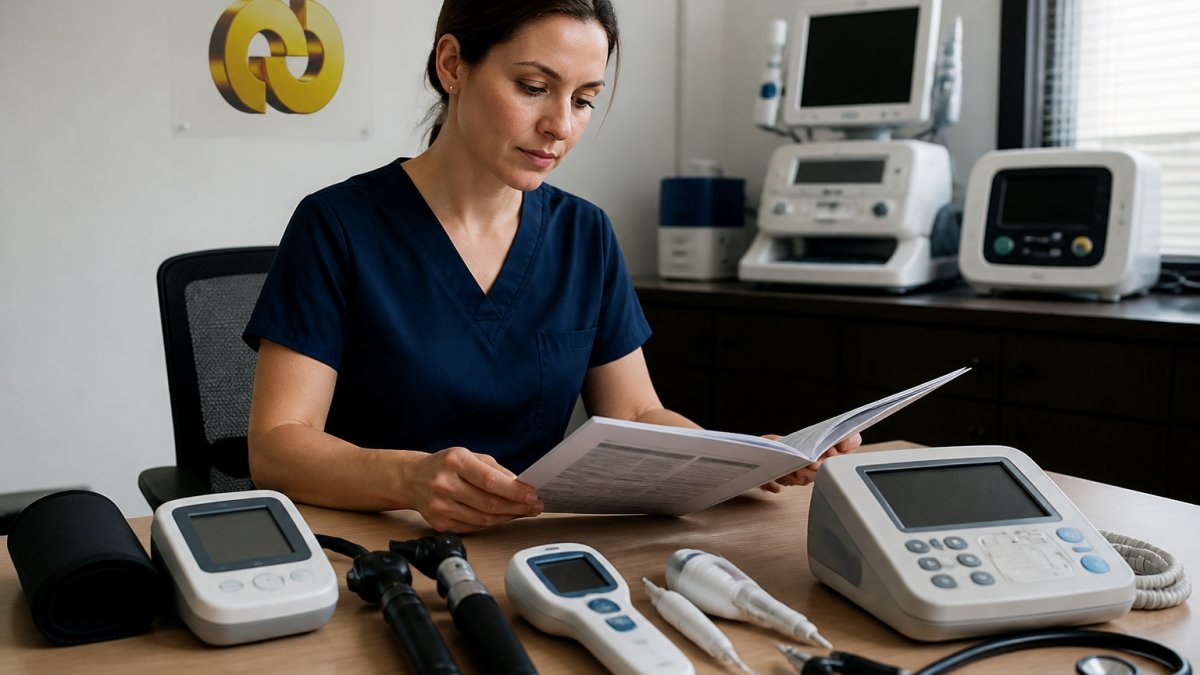
Define which diagnostic functions matter most to your workflow. Are you reading diagnostic trouble codes and clearing them? Do you need live data streaming and graphing capabilities? Will you perform bidirectional controls and active tests?
Evaluate your budget and procurement volume
Professional grade diagnostic equipment represents a significant capital investment. Understanding your budget constraints and procurement volume shapes which options are realistic for your organization.
Calculate your total procurement needs:
- How many units do you need across all locations or departments?
- What's your annual budget for diagnostic equipment and replacements?
- Do you have capital budget constraints that require phased implementation?
- What's your replacement cycle, how often do you upgrade equipment?
Volume matters. A single urgent care center purchasing one diagnostic unit faces different pricing dynamics than a hospital system procuring 15 units. Bulk purchasing often qualifies for volume discounts that shift the cost-effectiveness calculation. E&E Medicals and Consulting Inc works with organizations of all sizes to align purchasing volume with budget realities.
Consider the total cost of ownership, not just the purchase price. Equipment that costs less upfront but requires expensive maintenance or frequent repairs becomes costly over time. Factor in training costs, software subscriptions, warranty coverage, and support services when comparing options.
Diagnostic Equipment Quality Standards and Certifications
Professional grade diagnostic equipment must meet rigorous quality standards. Understanding these standards helps you verify that equipment will perform reliably in your clinical environment.
Quality standards establish baseline performance requirements. Equipment certified to recognized standards has undergone independent testing to verify accuracy, reliability, and safety. These certifications provide assurance that equipment meets established benchmarks rather than relying solely on manufacturer claims.
Common quality certifications include FDA clearance for medical devices, ISO standards for manufacturing and quality management, and industry-specific certifications for diagnostic accuracy. When evaluating equipment, request documentation of all relevant certifications.
Ask suppliers directly: What third-party certifications does this equipment hold? Which independent labs verified its performance? How recently was it tested? Reputable suppliers provide transparent access to certification documentation, allowing you to verify claims independently.
Different clinical settings may require different certification levels. A hospital system managing critical care might prioritize equipment with the highest certification tier.
Medical Device Accuracy and Calibration Requirements
Diagnostic accuracy depends on proper calibration and maintenance. Equipment that drifts out of calibration produces unreliable readings that compromise clinical decisions.
Verification and performance validation
Medical device accuracy requires regular verification and validation. Before deploying equipment, verify that it produces consistent, accurate readings across your patient population and clinical scenarios. Many organizations skip this step and discover accuracy problems only after equipment is in clinical use.
Establish a validation protocol:
- Test equipment against known reference standards before clinical deployment
- Document baseline performance metrics
- Schedule regular recalibration according to manufacturer specifications
- Maintain calibration records for compliance and liability protection
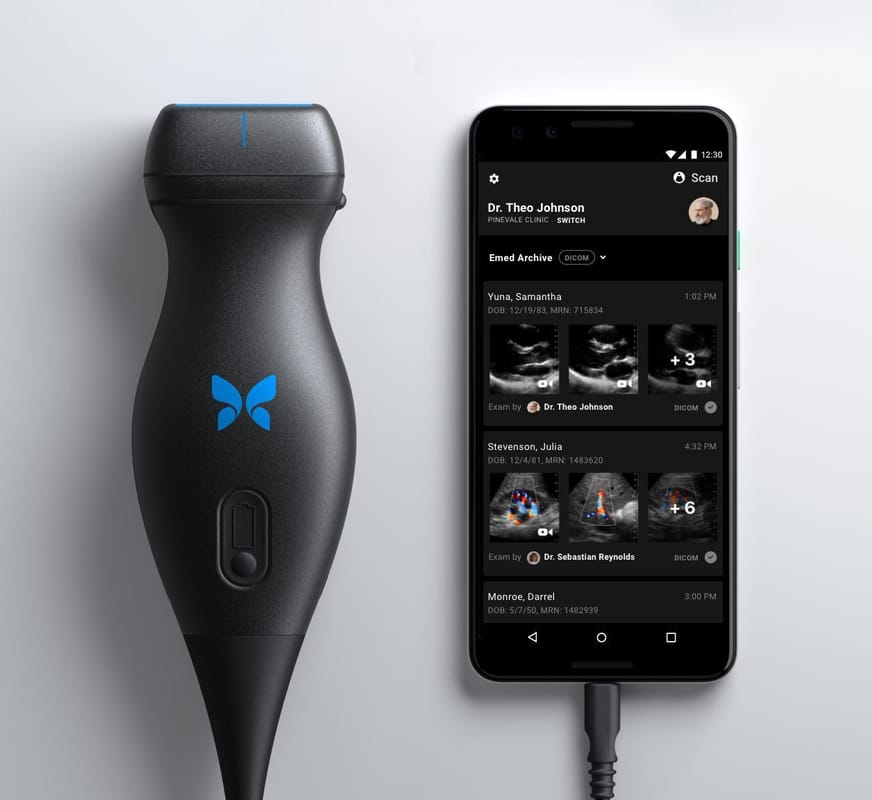
Different diagnostic equipment types require different validation approaches. Stethoscopes like the 3M Littmann Core Digital Stethoscope with digital capabilities require verification that automated murmur detection functions perform reliably. Ultrasound devices like the Butterfly iQ+ require validation that image quality meets diagnostic standards across different patient presentations.
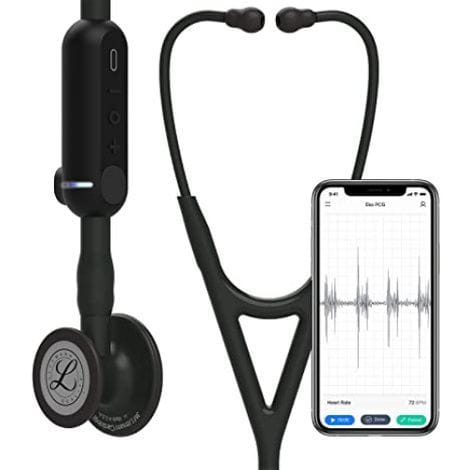
Ask your supplier about validation support. Suppliers who support your validation efforts demonstrate commitment to your clinical success.
Performance validation isn't a one-time event. Equipment performance degrades over time through use, handling, and environmental exposure. Establish periodic recalibration schedules, typically annually or biannually depending on equipment type and usage intensity. Document all validation and calibration activities for compliance audits.
3M Littmann Core Digital Stethoscope →
Medical Equipment Purchasing Checklist for Healthcare Professionals
A systematic purchasing process prevents costly mistakes and ensures you select equipment that actually fits your needs.
Use this checklist when evaluating professional grade diagnostic equipment:
| Evaluation Category | Key Questions | Why It Matters |
|---|---|---|
| Clinical Scope | Does equipment support your diagnostic functions? | Prevents overpaying for unused features |
| Vehicle/System Compatibility | Does it support your patient populations and systems? | Ensures equipment works in your environment |
| Accuracy Standards | What certifications and validation does it have? | Confirms reliable clinical performance |
| Integration | Does it connect with your existing systems? | Prevents manual workarounds and data entry errors |
| Warranty & Support | What's covered and for how long? | Protects your investment and ensures continuity |
| Total Cost | What's the real cost including training and maintenance? | Enables accurate budget planning |
| Supplier Reliability | Can they deliver on time and support your needs? | Prevents disruptions to patient care |
Before purchasing, verify that the equipment you're considering actually meets your documented needs. Review the checklist with your clinical team, IT staff, and procurement leadership. Ensure everyone agrees the equipment addresses your specific requirements.
E&E Medicals and Consulting Inc helps healthcare professionals work through this checklist systematically.
Medical Equipment Cost of Ownership and Total Value
The lowest purchase price doesn't always deliver the best value. Professional grade diagnostic equipment requires ongoing investment in maintenance, training, software updates, and support.
Calculate total cost of ownership across the equipment lifecycle:
- Initial purchase price
- Installation and setup costs
- Staff training and onboarding
- Annual maintenance and calibration
- Software subscriptions and updates
- Technical support and warranty coverage
- Replacement or upgrade cycles
For example, the 3M Littmann Master Cardiology Stethoscope at $462.46 represents a significant upfront investment. However, its outstanding acoustics and tunable diaphragm technology provide reliable performance across your patient population. The actual cost per year of use becomes more favorable when spread across the equipment's operational lifespan.
Similarly, advanced equipment like the Butterfly iQ+ portable ultrasound at $2,897.00 delivers significant value for organizations that integrate it into point-of-care diagnostics. The wireless connectivity, app-based interface, and AI-assisted imaging features simplify workflows and improve diagnostic speed. However, this value only materializes if your clinical team actually uses the equipment consistently.
Warranty, support, and replacement cycles
Professional grade diagnostic equipment typically comes with manufacturer warranties covering defects and failures. Understand what your warranty covers and for how long. Extended warranties or support contracts may provide additional value depending on your risk tolerance and budget.
Support quality varies significantly between suppliers. Some provide 24/7 technical support; others offer business-hours-only assistance. For equipment critical to your clinical operations, prioritize suppliers who offer rapid response times and can minimize downtime.
Replacement cycles matter for budget planning. Equipment typically operates reliably for 5-7 years before degradation accelerates. Plan for periodic replacement rather than trying to extend equipment life indefinitely. This approach prevents emergency replacements that disrupt operations and force expensive expedited purchases.
Vendor Reliability, Delivery, and Integration
Your supplier's reliability directly impacts your clinical operations. Equipment that arrives late, doesn't integrate properly, or requires excessive troubleshooting creates cascading problems throughout your organization.
Evaluate vendor reliability systematically. Request references from other healthcare organizations they serve. Ask specific questions: How consistently do they deliver on promised timelines?
Delivery reliability matters because diagnostic equipment often supports critical clinical functions.
Integration capability is equally important. Professional grade diagnostic equipment must connect seamlessly with your existing systems, electronic health records, inventory management platforms, billing systems.
E&E Medicals and Consulting Inc prioritizes fast delivery and secure integration to minimize disruption to your clinical operations.
Request documentation of integration capabilities before purchasing. Can the equipment connect to your specific electronic health record system?
Selecting professional grade diagnostic equipment requires systematic evaluation of your clinical needs, equipment quality standards, total cost of ownership, and supplier reliability.
Start with honest assessment of your diagnostic scope and budget.
Ready to source professional grade diagnostic equipment that actually fits your needs? E&E Medicals and Consulting Inc offers a curated selection of diagnostic tools, including the 3M Littmann Core Digital Stethoscope and Butterfly iQ+ portable ultrasound, backed by fast delivery, secure payments, and affordable pricing.
Frequently Asked Questions
What's the difference between professional-grade and consumer diagnostic equipment?
Professional-grade diagnostic equipment meets clinical standards for accuracy, calibration, and regulatory compliance, such as FDA clearance and ISO certifications. These devices undergo rigorous validation to ensure consistent performance across patient populations. Consumer equipment lacks this clinical validation and may not be suitable for medical decision-making. Professional-grade tools also include technical support, warranty coverage, and integration with healthcare workflows. For clinical settings, professional-grade equipment is essential to ensure patient safety and diagnostic reliability.
What should a medical equipment purchasing checklist include?
Your checklist should cover: regulatory certifications (FDA, ISO standards), accuracy specifications and calibration requirements, compatibility with your clinical systems and workflows, warranty and technical support terms, delivery timelines and vendor reliability, total cost of ownership including maintenance and training, staff training requirements, and data security compliance. Verify that the equipment meets your specific clinical needs, don't purchase features you won't use. Request references from similar healthcare settings and confirm the vendor can handle your procurement volume and integration requirements before committing.
How often should professional-grade diagnostic equipment be calibrated?
Calibration frequency depends on the equipment type and manufacturer specifications. Most clinical diagnostic devices require calibration annually or every 12-24 months, though some high-use equipment may need more frequent verification. Check the manufacturer's guidelines and your regulatory requirements. Maintain calibration records for compliance purposes. Regular calibration ensures diagnostic accuracy and extends equipment life, protecting both patient safety and your investment.
How can you verify that diagnostic equipment meets professional standards before purchasing?
Request documentation of FDA clearance, ISO certifications, and third-party validation reports from the vendor. Ask for performance specifications and accuracy data. Check whether the equipment has been tested in clinical settings similar to yours. Request references from other healthcare organizations using the same equipment. Verify the vendor's track record on delivery, support, and warranty claims. E&E Medicals provides detailed product specifications and certifications for all professional-grade equipment.