 blog
blog
Comparing Medical Equipment Vendor Pricing: A Buyer's Guide
Table of Contents
- Why Comparing Medical Equipment Vendor Pricing Matters
- Key Factors Beyond the Initial Purchase Price
- Understanding Medical Equipment Total Cost of Ownership
- Building Your Medical Equipment Quote Comparison Framework
- Bulk Medical Supplies vs Wholesale Medical Equipment: What's the Difference
- Using a Medical Supply Vendor Evaluation Checklist
- Negotiation Tactics and Contract Terms That Reduce Costs
- Common Mistakes When Comparing Medical Equipment Vendors
- Frequently Asked Questions
Last Updated: October 17, 2026
Why Comparing Medical Equipment Vendor Pricing Matters
Getting medical equipment procurement right is critical. Your vendor choice affects not just the purchase price, but total operational costs, supply reliability, and compliance risk. Yet many facilities decide based on a single quote or historical inertia, without systematically comparing what's available.
The real cost of medical equipment extends far beyond the sticker price. When you factor in delivery timelines, service agreements, training, consumables, software updates, and contract terms, the cheapest initial quote often becomes the most expensive option over time. Procurement teams can discover significant cost savings by shifting their evaluation criteria from purchase price alone to total cost of ownership.
This guide covers a structured approach to comparing medical equipment vendor pricing: what drives costs, how to build a comparison framework, and which negotiation tactics protect your budget without sacrificing quality.
Key Factors Beyond the Initial Purchase Price
Most procurement officers start with the headline number: "How much does this equipment cost?" That's the wrong starting point. The purchase price is only one component of what you'll actually spend.
Delivery timelines and shipping costs
When a vendor quotes a price, ask when it arrives and what delivery costs. A lower unit price means nothing if equipment sits in a warehouse for six weeks while your clinic loses revenue. Shipping costs vary by weight, fragility, and destination.
Equipment often needs specialized handling, temperature-controlled transport or white-glove delivery. A $5,000 quote might add $800 in shipping for a rural area, or $200 in a major metro. Ask for total landed cost, not the ex-warehouse price.
Delivery reliability matters as much as speed. A vendor who promises two-week delivery but misses 40% of deadlines creates operational chaos, expedited fees on emergency orders, or worse, delayed patient care. Ask about on-time delivery track records and what happens when deadlines are missed.
Service agreements and maintenance
Equipment breaks, and you need a vendor who responds quickly. Service agreements vary wildly in coverage and cost.
Some vendors include basic maintenance in the purchase price; others charge separately for service calls, parts, and preventive maintenance. A three-year agreement might cost $500 per year with one vendor and $1,500 with another, a $3,000 difference invisible on the initial quote.
Ask each vendor: What's included in the base price? What's the cost of a service call? How long is the typical response time? Do you charge for parts separately? Is preventive maintenance included or extra? The answers directly impact your total cost of ownership.
Training and technical support
New equipment requires staff training. Some vendors include comprehensive onboarding; others charge per session or per staff member, costs that add up quickly across a 12-department hospital.
Technical support varies too: 24/7 or business hours only? Per incident or included? For critical equipment, poor support can mean downtime costing far more than the support contract itself.
Understanding Medical Equipment Total Cost of Ownership
Medical equipment total cost of ownership is the sum of all costs associated with owning and operating a piece of equipment over its entire useful life, including purchase price, delivery, maintenance, repairs, training, software updates, and consumables.
This concept reveals which vendors actually deliver value: a higher purchase price with lower service costs and better reliability often costs less overall.
To calculate total cost of ownership, you need:
- Initial purchase price
- Delivery and installation costs
- Annual maintenance and service agreement costs
- Expected repair costs over the equipment's lifespan
- Training costs (initial and ongoing)
- Software update and licensing fees
- Consumable supply costs (if applicable)
- Expected equipment lifespan in years
Multiply the annual costs by the number of years you expect to use the equipment, then add the purchase price. That's your true cost.
Example: Two vendors quote you diagnostic equipment.
Vendor A: $15,000 purchase price, $800/year service, 5-year lifespan = $15,000 + ($800 × 5) = $19,000 total.
Vendor B: $17,500 purchase price, $400/year service, 5-year lifespan = $17,500 + ($400 × 5) = $19,500 total.
The vendors are nearly identical on total cost, but Vendor A looks cheaper at first glance. By calculating total cost of ownership, you make an informed decision based on the full financial picture, not just the headline number.
Building Your Medical Equipment Quote Comparison Framework
A structured comparison framework ensures you're comparing apples to apples; without one, you'll miss critical differences and decide on incomplete information.
Start with a standardized request for quote (RFQ) every vendor receives.
Your RFQ should include:
- Equipment specifications (model, capacity, features)
- Quantity needed
- Delivery location and timeline
- Service and warranty requirements
- Training and support needs
- Volume discount eligibility
- Contract term options
When vendors respond, build a comparison spreadsheet with columns per vendor and rows per cost component, purchase price, delivery, annual service, training, and other line items.

Document assumptions: single-unit versus bulk pricing, training included or not. These explain why quotes differ and keep comparisons valid.
| Comparison Element | Vendor A | Vendor B | Vendor C |
|---|---|---|---|
| Equipment Purchase Price | $15,000 | $17,500 | $14,800 |
| Delivery Cost | $500 | $300 | $750 |
| Year 1 Service Agreement | $800 | $400 | $900 |
| Training (per person) | $200 | $150 | $200 |
| Total Year 1 Cost | $16,500 | $18,350 | $16,650 |
| 5-Year Total Cost | $19,000 | $19,500 | $20,250 |
This framework surfaces the real cost differences. Vendor A looks cheapest overall, but Vendor B's lower service costs might make it competitive if service reliability is critical to your operations.
Bulk Medical Supplies vs Wholesale Medical Equipment: What's the Difference
These terms are often used interchangeably, but they describe different purchasing models with different cost implications.
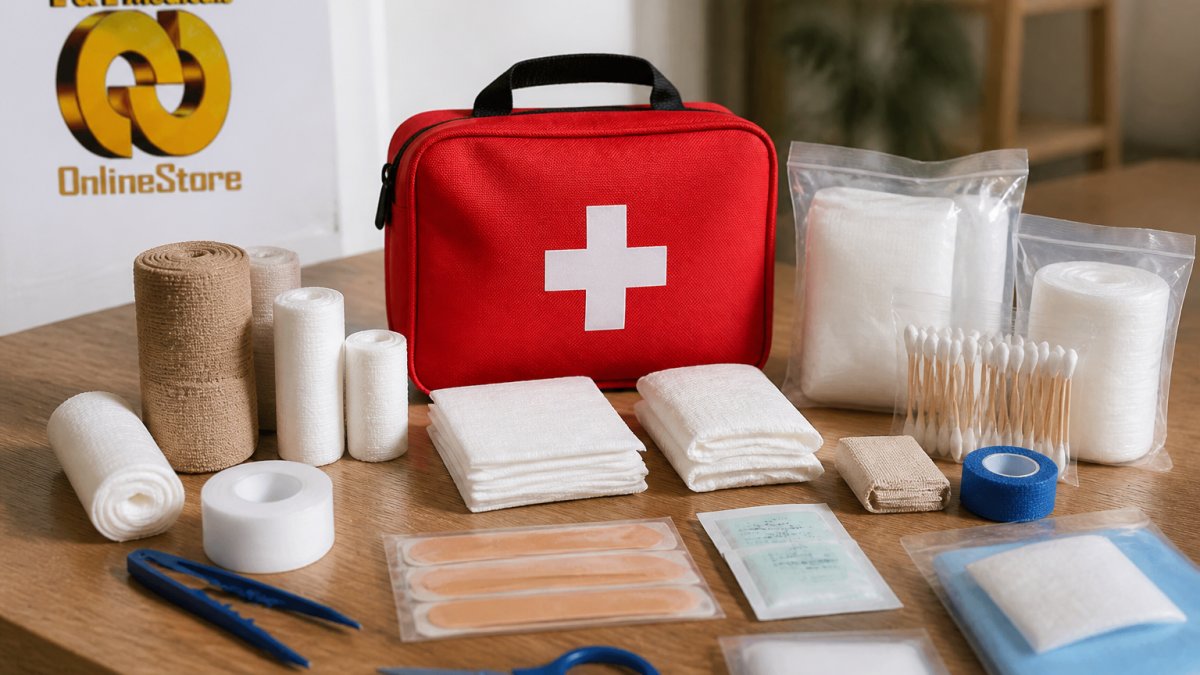
Bulk medical supplies are consumables: gloves, bandages, syringes, wound dressings, disinfectants. You buy large quantities to reduce per-unit cost, because fulfilling one order of 10,000 units costs the vendor only slightly more than fulfilling 1,000.
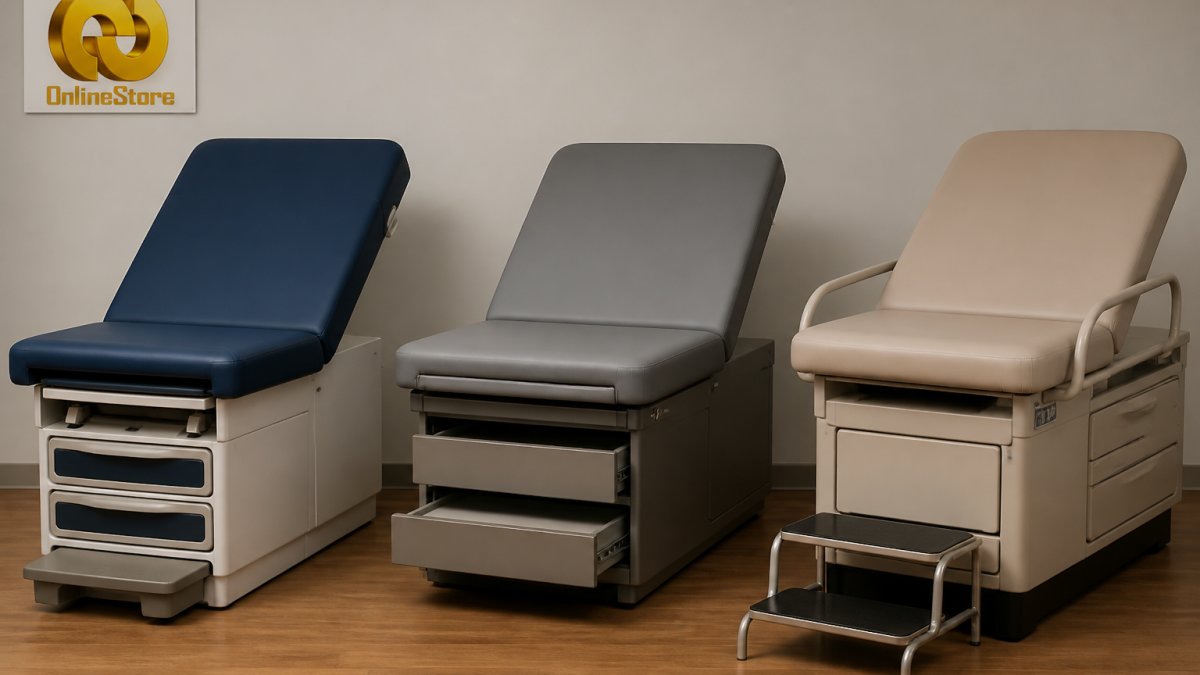
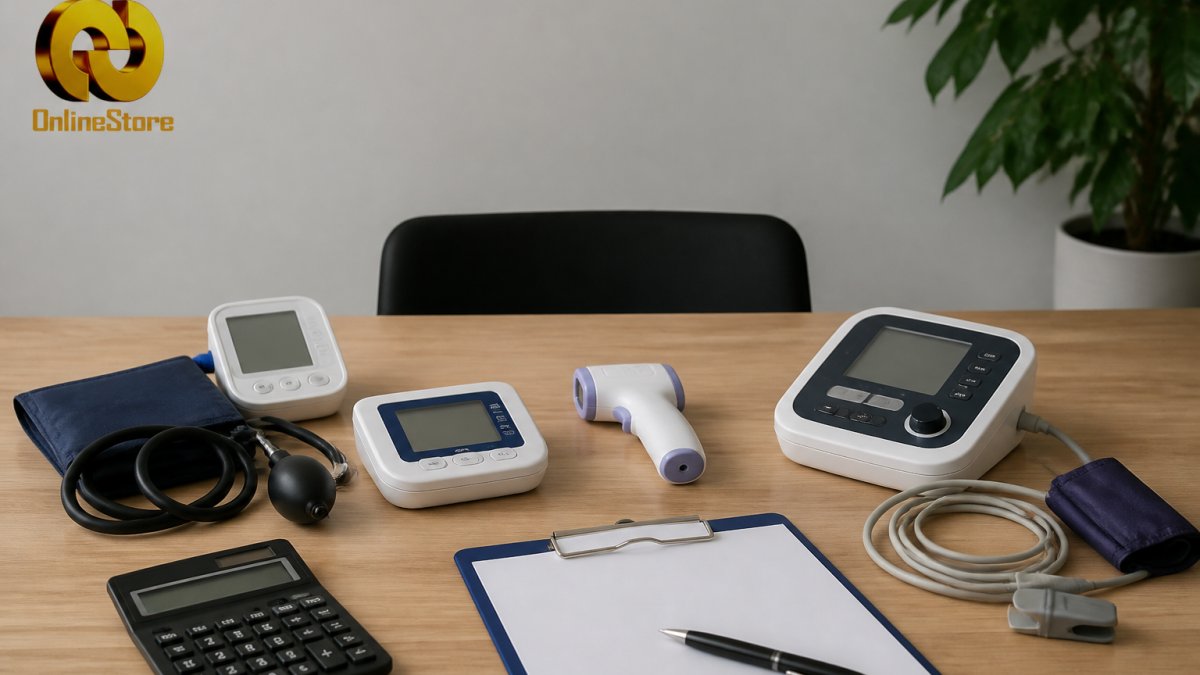
Wholesale medical equipment refers to durable goods: diagnostic machines, mobility aids, monitoring devices, treatment tables. Wholesale pricing here usually means negotiated contract pricing based on volume commitments or multi-year agreements, not per-unit discounts in the traditional sense.
The strategies differ: consumables reward larger single orders; equipment rewards long-term vendor relationships and better terms on future purchases.
For supplies, ask about volume discounts. Most vendors offer tiered pricing: 1,000 units at one price, 5,000 units at a lower price, 10,000 units at an even lower price.
For equipment, volume discounts are less common, but contract flexibility is.
Using a Medical Supply Vendor Evaluation Checklist
Price is one criterion; reliability, quality, compliance, and support matter equally. A comprehensive checklist ensures you assess every factor affecting your operations.
Quality certifications and compliance
Medical equipment must meet regulatory standards: FDA clearance or approval for clinical use in the United States, CE marking for the EU, and other regional requirements elsewhere.
Ask each vendor: What certifications does this equipment hold? Has it been cleared by the relevant regulatory body? Can you provide documentation? Don't assume certification, verify it. A vendor selling non-compliant equipment creates legal and patient safety risk.
Beyond regulatory compliance, ask about quality standards. Does the equipment meet ISO standards? Has it been independently tested? What's the defect rate? Reputable vendors can answer these questions with documentation.
Volume discounts and contract flexibility
Volume discounts reduce per-unit cost, but the structure matters: tiered pricing (higher volume, lower price), percentage discounts (10% off orders over $50,000), or custom pricing for large accounts.
Contract flexibility also affects cost. Can you lock in pricing for a year? Can you adjust quantities mid-contract if your needs change? Can you negotiate extended payment terms? A vendor willing to build flexibility into the contract is easier to work with long-term.
For healthcare facilities managing multiple departments, group purchasing organizations (GPOs) can provide use. GPOs negotiate contracts with vendors on behalf of member organizations, often securing better pricing than individual facilities can negotiate alone. If you're not part of a GPO, ask whether you're eligible to join one.
Supply continuity and inventory management
Great pricing is worthless if the vendor can't keep products in stock. Ask about inventory levels, restocking frequency, whether they can fulfill large orders on your timeline, and what happens when demand exceeds supply.
Some vendors offer just-in-time inventory management, holding stock on your behalf and replenishing automatically. It cuts storage costs and prevents stockouts, but requires system integration and typically costs more upfront.
For critical supplies, redundancy matters. Don't rely on a single vendor for items essential to patient care. Establish relationships with at least two vendors for your most critical supplies, even if one offers better pricing. The cost of a supply shortage far exceeds any savings from concentrating all purchases with one vendor.
Negotiation Tactics and Contract Terms That Reduce Costs
Once you've identified preferred vendors, negotiation can unlock additional savings on price, terms, and service levels.
Start by asking for volume discounts explicitly. Many vendors don't volunteer them unless you ask.
Negotiate payment terms. Standard terms are net-30 (payment due within 30 days of invoice). Ask for net-60 or net-90 if you have the cash flow to support it.
Bundle purchases. If you need multiple pieces of equipment or supplies, bundle them into a single negotiation.
Lock in pricing for multi-year contracts. If you're comfortable committing to a vendor for two or three years, ask for a price lock.
Include performance guarantees in your contract. Specify required on-time delivery rates, response times for service calls, and penalties if the vendor misses these targets.
Ask about seasonal pricing. Some vendors offer better pricing at certain times of year when demand is lower. If your purchase can wait, timing it strategically might save money.
Common Mistakes When Comparing Medical Equipment Vendors
Most procurement teams repeat the same errors. Knowing them helps you avoid them.
Mistake 1: Comparing purchase price only. This is the most expensive mistake.
Mistake 2: Not standardizing the RFQ. If you send different vendors different specifications or ask for different information, you can't compare their responses fairly.
Mistake 3: Ignoring delivery and logistics. Vendors often quote ex-warehouse prices without including shipping.
Mistake 4: Overlooking service and support. You'll use this equipment for years.
Mistake 5: Failing to negotiate. Many procurement teams accept the first quote as final. Vendors expect negotiation. Ask for volume discounts, better terms, and service guarantees.
Mistake 6: Switching vendors too frequently. Changing vendors creates transition costs: training staff on new equipment, integrating new systems, establishing new relationships.
Comparing medical equipment vendor pricing requires more than shopping around for the lowest number. It demands a systematic evaluation of total cost, service quality, compliance, and reliability.
Frequently Asked Questions
How do you compare medical equipment vendor pricing across different suppliers?
Start by requesting itemized quotes from multiple vendors using identical specifications and quantities. Compare not just unit price but total cost of ownership, including delivery, installation, training, and service agreements. Create a spreadsheet with standardized line items so you can see true price differences. Request volume discounts and ask each vendor about payment terms and bulk purchasing options. This standardized approach reveals which vendor offers genuine value, not just the lowest sticker price.
What costs should clinics include when comparing medical equipment quotes?
Beyond the equipment purchase price, factor in delivery and installation fees, training costs for staff, service and maintenance agreements, software licensing or upgrades, consumables and replacement parts, warranty coverage, and technical support availability. Many facilities discover the cheapest equipment becomes expensive when service is poor or spare parts are hard to source. Total cost of ownership can be significantly higher than the initial purchase price over the equipment's lifetime.
What's the difference between bulk medical supplies and wholesale medical equipment?
Bulk medical supplies refer to consumables purchased in large quantities at discounted per-unit rates, such as gloves, wound dressings, or syringes. Wholesale medical equipment typically means purchasing diagnostic or therapeutic devices in volume, often with negotiated service agreements and longer contract terms. Bulk supplies focus on cost per unit; wholesale equipment focuses on total lifecycle costs, support, and integration with your existing systems.
How can clinics negotiate better pricing with medical equipment vendors?
Document your current spending and procurement volume to show vendors the size of your business. Request competitive bids and share that you're evaluating multiple suppliers. Ask about volume discounts, bundled pricing for multiple product categories, and extended payment terms. Negotiate service agreements separately from equipment price. Consider multi-year contracts in exchange for better rates. Be transparent about your budget constraints and ask vendors where they can flex on price versus where they cannot.