 Comparison
What Makes Medical Supply Delivery Services Reliable?
Last Updated: October 25, 2026
Quick Summary
Medical supply delivery combines predictable on-time performance with secure handling, real-time visibility, and flexibility for routine and urgent requests. Temperature-controlled transport, chain of custody documentation, and same-day options ensure stockouts don't disrupt patient care.
- On-time delivery rate is the single most important metric, but only useful if defined clearly in writing.
- Tracking systems should document pickup confirmation, in-transit updates, delivery confirmation with timestamp, recipient identity, and condition at handoff.
- Temperature monitoring with sensors and documented excursion procedures is required for pharmaceuticals, vaccines, and biological specimens.
- Ask providers to describe item-specific handling procedures for biologicals, pharmaceuticals, oxygen supplies, and equipment separately.
- Start with a pilot period of 30 to 90 days to verify suppliers meet expectations before committing to longer-term contracts.
Table of Contents
- What Defines Reliable Medical Supply Delivery
- Medical Supply Chain Risk Assessment and Mitigation
- Medical Supply Delivery Tracking and Visibility
- Medical Supply Stockout Prevention Strategies
- Healthcare Procurement Best Practices for Supply Selection
- Evaluating Medical Supply Delivery Providers: Key Criteria
- On-Time Delivery Rates and Service-Level Guarantees
- Item-Specific Handling Requirements
- Temperature Control and Secure Handling Capabilities
- Service Coverage and Same-Day or Scheduled Options
- A Side-by-Side Comparison Framework
- Procurement Checklist for Hospitals, Labs, Pharmacies, and Home-Care Organizations
- Contingency Planning and Delivery Exceptions
- Portable Oxygen Concentrators: Comparing Delivery and Support Options
- Starting Your Medical Supply Delivery Partnership
- Frequently Asked Questions
What Defines Reliable Medical Supply Delivery
Reliable medical supply delivery isn't just about speed, it's about consistency, accuracy, and handling critical items without disrupting patient care.
The best medical supply delivery services combine predictable on-time performance with secure handling, real-time visibility, and flexibility for routine and urgent requests.
At E&E Medicals and Consulting Inc, we know procurement officers, practice managers, and facility administrators need delivery partners they can count on.
Medical Supply Chain Risk Assessment and Mitigation
The medical supply chain carries inherent risks: stockouts disrupt workflows, damaged goods waste budgets, and missed deliveries compromise care standards. Mitigation starts with understanding where failures occur.
Common failure points include lead time variability, peak-demand delays, handling errors that damage sensitive equipment, and documentation gaps that create compliance exposure.
Mitigation focuses on three areas: diversifying suppliers so no single point of failure can cripple operations, maintaining safety stock for critical items (balanced against storage constraints and expiration dates), and working with delivery partners who provide real-time tracking and documented proof of delivery. Many facilities also build contingency protocols with alternate suppliers and emergency procurement procedures.
The most effective approach combines supplier reliability data with internal inventory discipline.
Medical Supply Delivery Tracking and Visibility
Real-time visibility into medical supply shipments eliminates uncertainty: receiving teams can staff appropriately, and procurement officers can communicate timelines to clinical staff. Evaluate tracking by what it documents, not by whether the provider advertises "GPS tracking."
What a Tracking System Should Document
A credible tracking system records the full journey, not just the final drop-off. Confirm the provider captures pickup confirmation, in-transit location updates, delivery confirmation with timestamp, recipient identity, and condition at handoff. Modern medical supply delivery services provide digital proof of delivery, GPS tracking for time-sensitive shipments, and delivery notifications, creating an audit trail for compliance.
Temperature Monitoring During Transit
Temperature monitoring during transit matters for cold-chain items. Some partners embed sensors that log conditions throughout transport, proving items stayed within required ranges, critical for pharmaceuticals, vaccines, and biological specimens. Ask how the provider handles an excursion: is the recipient notified before handoff, is the item quarantined, and is a written report provided? A provider that describes this specifically is more reliable than one that simply claims temperature control.
Using Visibility Data to Diagnose Failures
Tracking systems also reduce lost-shipment incidents. When a delivery doesn't arrive, visibility data pinpoints where the breakdown occurred, never picked, stuck in a warehouse, or routed to the wrong facility, letting you correct it faster than generic "where is my order" inquiries.
Use the same data proactively. Track which delivery windows run late, which routes produce the most exceptions, and which item categories generate condition issues.
Delivery Exceptions and Escalation Paths
Visibility only helps if someone acts on it. Confirm the provider's exception procedure: who is notified when a delivery is delayed, how quickly, and through what channel. Ask whether notifications are proactive or only reactive. For urgent shipments, confirm the escalation contact and response time, and build your own contingency protocol so a single failed delivery doesn't become an operational failure.
Medical Supply Stockout Prevention Strategies
Stockouts happen when demand exceeds available inventory. For non-critical items, this creates minor workflow friction.
Prevention requires accurate demand forecasting, reliable replenishment cycles, and delivery partners who can accelerate shipments when inventory dips.
Work with suppliers who offer flexible delivery schedules.
Consider medical supply inventory management strategies for preventing stockouts that align with your facility's workflow and budget cycles.
Healthcare Procurement Best Practices for Supply Selection
Procurement decisions extend beyond price.
Start with a clear evaluation framework.
Next, evaluate delivery capabilities. Does the supplier offer same-day delivery for urgent requests? What's their standard lead time?
Verify compliance and certifications. Healthcare procurement has regulatory requirements, HIPAA for patient privacy, proper documentation for pharmaceutical items, temperature control for cold-chain items.
Check clinical equipment procurement best practices to align your selection criteria with current standards.
Evaluating Medical Supply Delivery Providers: Key Criteria
When comparing medical supply delivery services, focus on verifiable performance indicators rather than marketing claims. The criteria below let you score each provider on the same dimensions and compare results side by side.
On-Time Delivery Rates and Service-Level Guarantees
On-time delivery rate is the single most important metric, but only useful if you know how it's defined.
Belluscura DISCOV-R Portable Oxygen →
Performance guarantees matter as much as the percentage. Ask what happens if the supplier misses a deadline: service credits, expedited replacement shipments, escalation contacts, or other remedies? Review on-time delivery guarantees for medical supplies to see how providers structure commitments and your recourse if they fail.
Item-Specific Handling Requirements
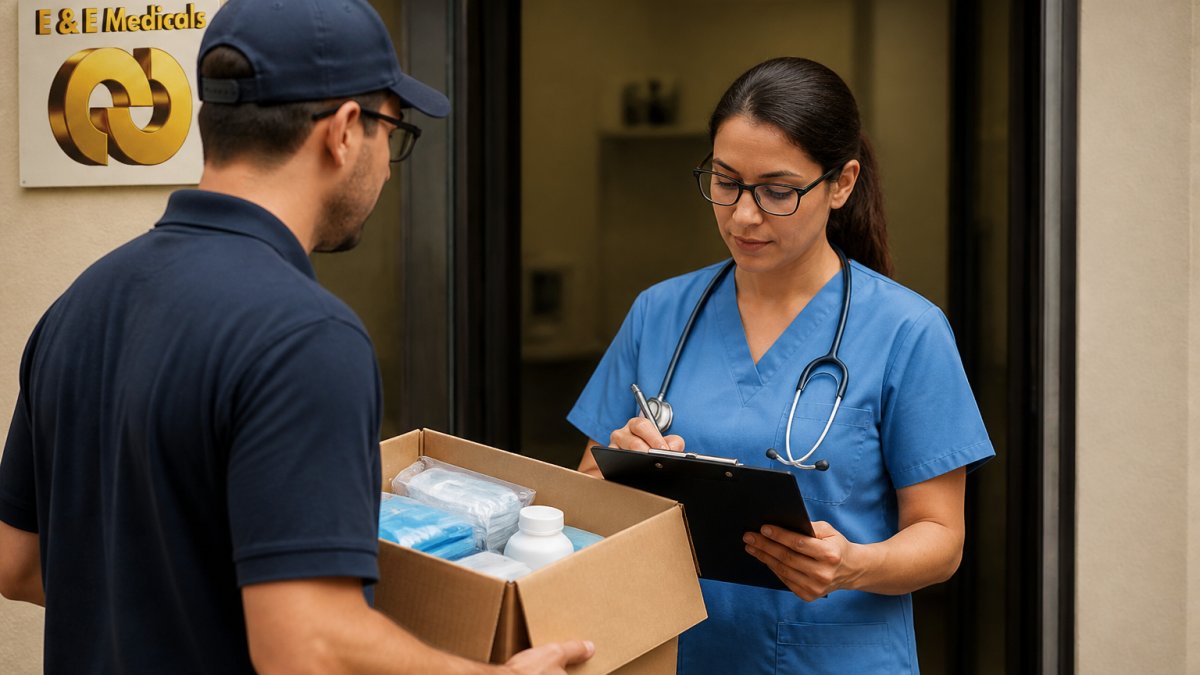
Not all medical supplies require special handling, and treating every item the same is a common source of compliance exposure. Use this guide to verify that a provider's capabilities match the items you actually order.
- Biological specimens and lab samples: Require defined temperature ranges, leak-proof primary and secondary packaging, and documented chain of custody at every handoff. Confirm the provider's specimen transport procedures and whether drivers are trained in biohazard handling.
- Pharmaceuticals and vaccines: Cold-chain items need validated insulated packaging or refrigerated vehicles, continuous temperature monitoring, and documented excursion procedures if conditions drift out of range. Ask what temperature range the provider maintains and how excursions are reported.
- Oxygen supplies and concentrators: Require secure mounting or packaging to prevent damage, and delivery staff who can verify device function and provide basic setup or patient training. Confirm whether the provider offers backup units and battery replacement support.
For each item category you order, ask the provider to describe its packaging, temperature range, handoff procedure, and documentation. A provider that can answer specifically for each category is more reliable than one that offers a single generic handling statement.
Temperature Control and Secure Handling Capabilities
Ask suppliers about cold-chain capabilities directly: refrigerated vehicles, insulated packaging with temperature monitoring, maintained ranges, and in-transit documentation. For items requiring specific conditions, this is a compliance requirement, not an option.
Secure handling also includes documentation. Suppliers should provide delivery records showing what was shipped, the condition items arrived in, and who received them. This chain-of-custody documentation protects both your facility and the supplier if questions arise about condition or authenticity.
Service Coverage and Same-Day or Scheduled Options
Geographic coverage determines whether a supplier can serve your facility. Some operate nationally; others focus on specific regions. Confirm they service your location before investing time in evaluation.
Delivery flexibility matters. Can they accommodate scheduled deliveries (for example, Tuesdays and Thursdays) while also offering same-day or next-day service for urgent requests?
Ask about 24/7 availability. Healthcare facilities operate around the clock, if you need supplies at 2am, can your delivery partner accommodate that? Suppliers serving hospitals and urgent care centers typically can.
A Side-by-Side Comparison Framework
Use a simple scoring matrix to compare providers on the same dimensions. For each, record: coverage of your location; delivery windows (scheduled, same-day, 24/7); item categories and handling procedures; tracking and proof-of-delivery method; documented on-time rate and guarantee terms; escalation contact and response time; and pricing structure (quote factors, minimums, surcharges).
Procurement Checklist for Hospitals, Labs, Pharmacies, and Home-Care Organizations
A checklist tailored to your facility type makes evaluation actionable. Hospitals: verify 24/7 coverage, urgent escalation paths, cold-chain validation, and service credits for missed deliveries. Laboratories: confirm specimen transport procedures, biohazard training, and chain-of-custody documentation. Pharmacies: verify pharmaceutical handling, temperature excursion reporting, and delivery windows matching dispensing schedules. Home-care organizations: confirm patient-facing delivery, device setup and training, backup equipment, and payer-compliant proof of delivery.
Contingency Planning and Delivery Exceptions
Reliability is tested when something goes wrong. Ask each provider how it handles backup drivers, weather disruptions, failed handoffs, and urgent escalation. A provider that describes specific exception procedures, who is called, how quickly, what backup capacity exists, is better prepared than one that only emphasizes speed.
Key evaluation criteria help you compare medical supply delivery providers on verifiable performance dimensions.
| Evaluation Criterion | What to Verify | Why It Matters |
|---|---|---|
| On-time delivery rate | Documented percentage and definition of on-time | Consistency directly impacts patient care and operations |
| Service-level guarantees | Remedies for missed deadlines and escalation contacts | Signals supplier confidence and your recourse if they fail |
| Item-specific handling | Procedures for biologicals, pharmaceuticals, oxygen, equipment | Compliance requirement; wrong handling damages items or exposes facility |
| Temperature control | Cold-chain validation, monitoring, excursion procedures | Required for pharmaceuticals, vaccines, and biological specimens |
| Geographic coverage | Service area includes your facility location | Determines whether supplier can serve you at all |
| Delivery flexibility | Scheduled, same-day, and 24/7 availability options | Reduces need for multiple vendors and handles urgent requests |
| Tracking and visibility | Pickup confirmation, in-transit updates, proof of delivery | Eliminates uncertainty and creates audit trail for compliance |
Portable Oxygen Concentrators: Comparing Delivery and Support Options
Portable oxygen concentrators are a category where delivery reliability and support directly affect patient outcomes.
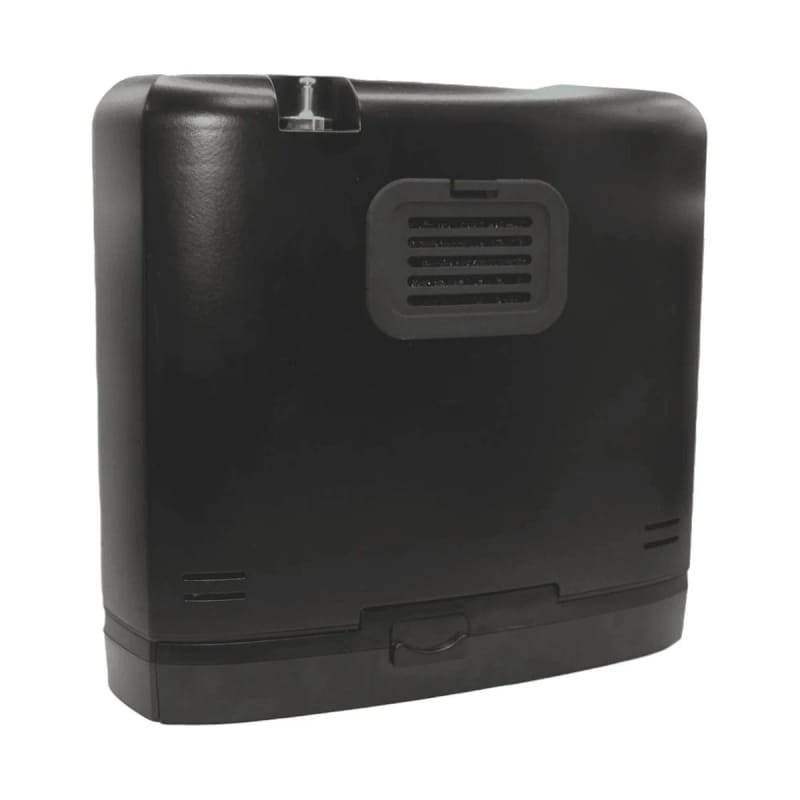
E&E Medicals and Consulting Inc stocks several portable oxygen concentrator options, each with different delivery and support considerations. Learn about the Belluscura DISCOV-R Portable Oxygen Concentrator and its delivery details. The Belluscura DISCOV-R Portable Oxygen Concentrator provides continuous and pulse flow delivery in a unit weighing under 7 pounds with dual battery capability.
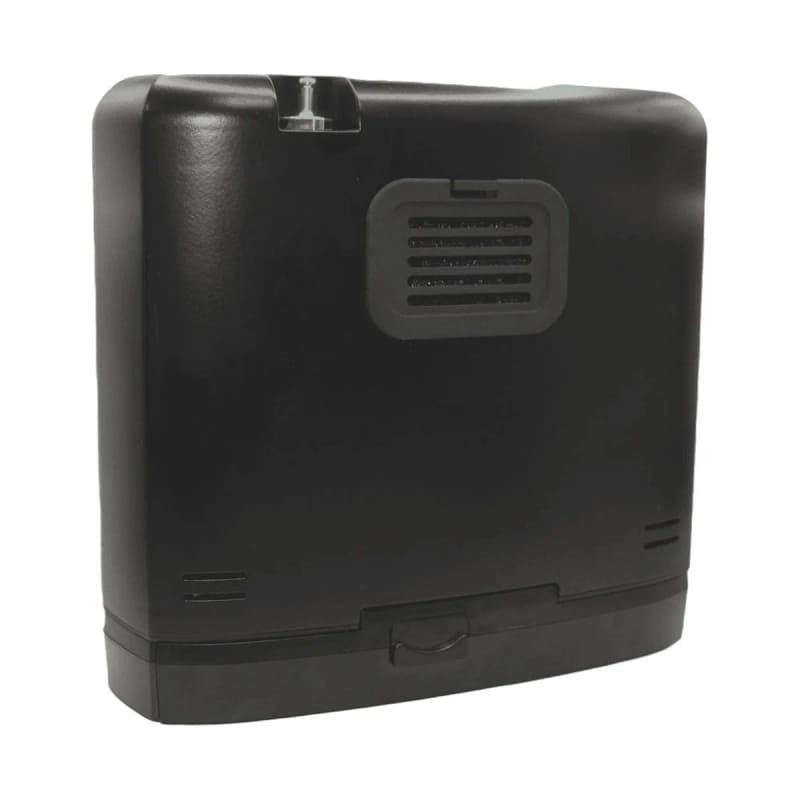
The Inogen Rove 6 Portable Oxygen Concentrator weighs just 4.8 pounds and includes six pulse-dose settings with battery life up to 12 hours and 45 minutes with extended batteries. Priced at $2,879, it's suitable for active patients and facilities managing multiple patients with varying oxygen requirements.
The iGo2 Portable Oxygen Concentrator at $2,999 features SmartDose auto-adjusting conserver technology that adjusts oxygen delivery based on breathing patterns.
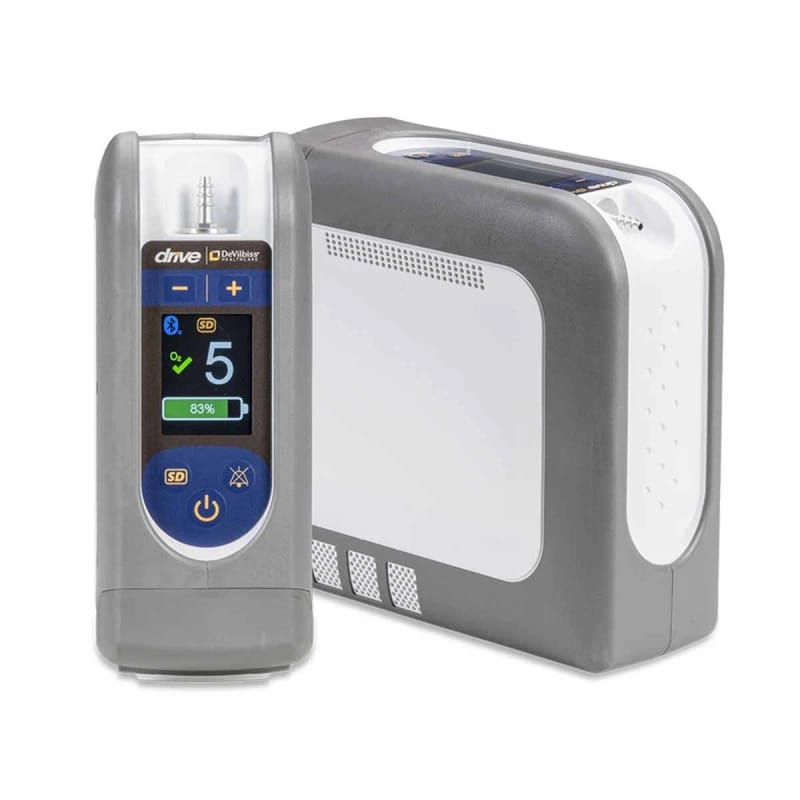
For facilities and home health agencies, the key consideration is matching device capabilities to patient needs while ensuring reliable delivery and ongoing support.
Starting Your Medical Supply Delivery Partnership
Establishing a new medical supply delivery relationship requires clear communication about your facility's needs.
Request proposals from multiple suppliers, giving each the same specification requirements so you can compare fairly.
Start with a pilot period.
Track supplier performance from day one. Document on-time delivery rates, order accuracy, item condition, and customer service responsiveness.
Reliable medical supply delivery requires more than competitive pricing.
Frequently Asked Questions
How can healthcare practices evaluate the reliability of a medical supply delivery service?
Start by reviewing on-time delivery rates and asking for references from similar healthcare facilities. Request documentation of their delivery tracking system and chain of custody procedures. Check whether they offer 24/7 availability and same-day options if your practice requires urgent orders. Verify their certifications for HIPAA compliance and secure handling of sensitive items like pharmaceuticals or patient records. Ask about their contingency plan if a delivery is delayed, do they offer compensation or expedited replacement? Request a trial order to assess their actual performance before committing to a larger volume.
What should a medical supply delivery service provide to help prevent stockouts?
A reliable service should offer automated reorder alerts based on your inventory thresholds and demand patterns. They should provide real-time visibility into stock levels and delivery schedules so you can plan ahead. Scheduled delivery options at regular intervals help maintain consistent inventory without gaps. Ask whether they offer emergency or same-day delivery for unexpected shortages. The provider should also track which items you order frequently and flag potential supply gaps before they occur. Integration with your inventory management system ensures accurate forecasting and reduces the risk of running out of critical supplies.
What is the difference between medical supply delivery and medical courier services?
Medical supply delivery typically focuses on scheduled, bulk orders of equipment, pharmaceuticals, and disposables to healthcare facilities or practices. Medical courier services prioritize urgent, time-sensitive shipments like laboratory specimens, diagnostic equipment, or emergency supplies that require same-day or immediate transport. Supply delivery services often operate on regular schedules and handle standardized items, while courier services emphasize speed and flexibility for ad-hoc requests. Both require secure handling and chain of custody, but couriers typically offer 24/7 availability and real-time GPS tracking for individual shipments, whereas supply delivery may focus on cost efficiency for routine replenishment.
How can practices balance affordable medical supplies with product quality?
Affordable pricing does not mean compromising on quality. Look for suppliers who offer bulk discounts, tiered pricing for high-volume orders, and transparent pricing breakdowns so you can compare line-item costs with your current vendor. Request certifications or third-party validation that products meet healthcare standards. Ask about their supplier relationships, do they source from established manufacturers? Some providers offer cost savings through efficient logistics and streamlined operations rather than cutting corners on product quality. E&E Medicals, for example, focuses on professional-grade equipment at competitive prices. Request a sample order to verify that the quality matches your current standards before switching vendors.