 comparison
Portable Diagnostic Equipment for Home Visits: 2026 Guide
Table of Contents
- Portable Diagnostic Equipment for Home Visits: What Belongs in the Bag
- Comparing Portable Medical Diagnostic Devices for Home-Visit Workflows
- Choosing Medical Equipment for Home Visits: Selection Criteria and Total Cost
- Home Visit Medical Bag Checklist by Patient and Visit Type
- Accuracy, Cleaning, and Portable Diagnostic Equipment Maintenance
- Connectivity, Documentation, and Scope-of-Practice Considerations
- Conclusion
- Frequently Asked Questions
Last Updated: October 17, 2026
Portable Diagnostic Equipment for Home Visits: What Belongs in the Bag
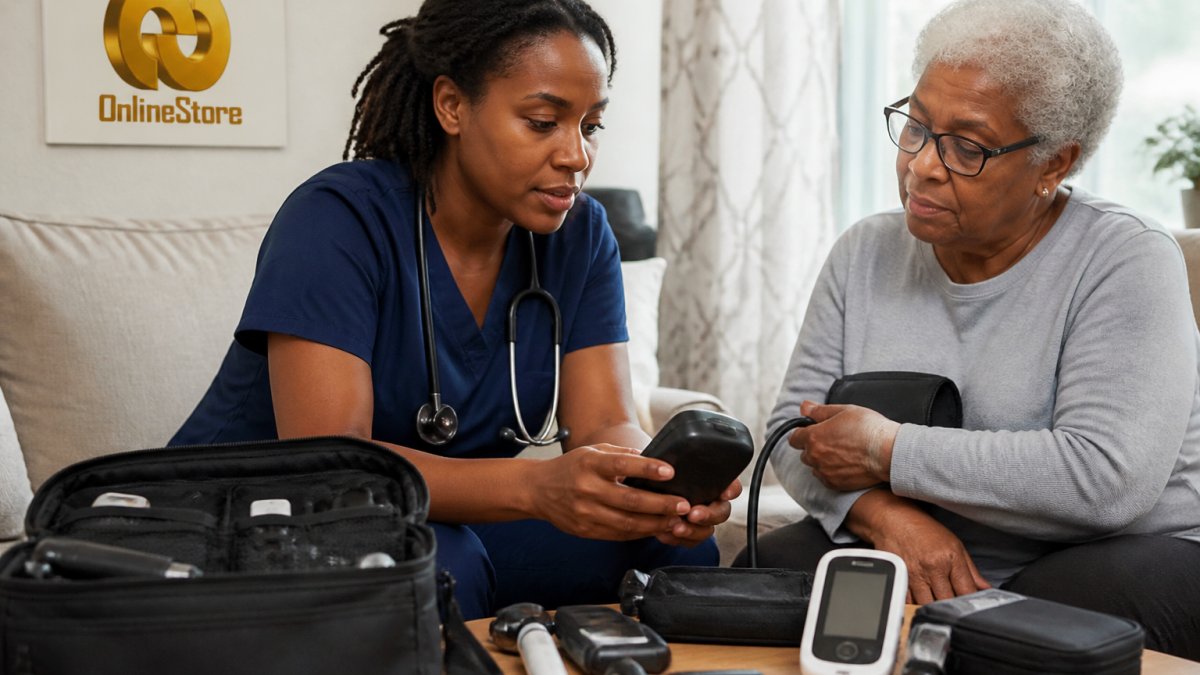
Portable diagnostic equipment for home visits is the set of compact, battery-powered or handheld devices a clinician carries into a patient's home to capture vital signs, cardiac data, blood work, and other measurements on the spot.
The stakes are higher than most buyers assume.
This guide covers what belongs in the bag, how home-visit diagnostics differ from clinic work, and how to compare portable diagnostic equipment on accuracy, cleaning, connectivity, and total cost.
How Home-Visit Diagnostics Differ From Clinic Diagnostics
Clinic diagnostics assume a controlled room. Home visits assume nothing.
In a clinic you have a fixed exam table, reliable power, a sink, and consistent lighting. In a home you have an armchair, a coffee table, and window light, devices must tolerate that variability or the readings suffer.
Three differences drive equipment choices:
- Power and portability. Battery life and weight matter more than wall power; a device that needs an outlet limits where you can work.
- Setup speed. One-touch operation and pre-set profiles save real time across a day of visits.
- Cleaning between stops. Every surface that touches a patient must be wipeable and quick to disinfect.
The CDC guidance on cleaning and disinfecting medical equipment outlines the difference between cleaning and disinfection, which matters when the same device moves between households.
Comparing Portable Medical Diagnostic Devices for Home-Visit Workflows
Home-visit workflows favor devices that are light, fast to set up, and easy to clean. The table below compares core device types by clinical task, portability, setup time, and cost.
| Device | Primary Task | Setup Time | Cost Considerations | Best For |
|---|---|---|---|---|
| Vital signs monitor | Multi-parameter vitals | 1-2 minutes | Moderate upfront; reusable cuffs and sensors | General assessments |
| Handheld ECG | Cardiac rhythm capture | Under 1 minute | Low upfront; may require electrodes or gel | Cardiac follow-up |
| Portable ultrasound | Point-of-care imaging | 2-5 minutes | High upfront; probe covers and gel consumables | Focused assessments |
| Lipid analyzer | Cholesterol testing | 2-3 minutes | Moderate upfront; test strips are recurring cost | Cardiovascular screening |
| Portable scale | Weight and BMI | Under 1 minute | Low upfront; battery replacement | Home healthcare |
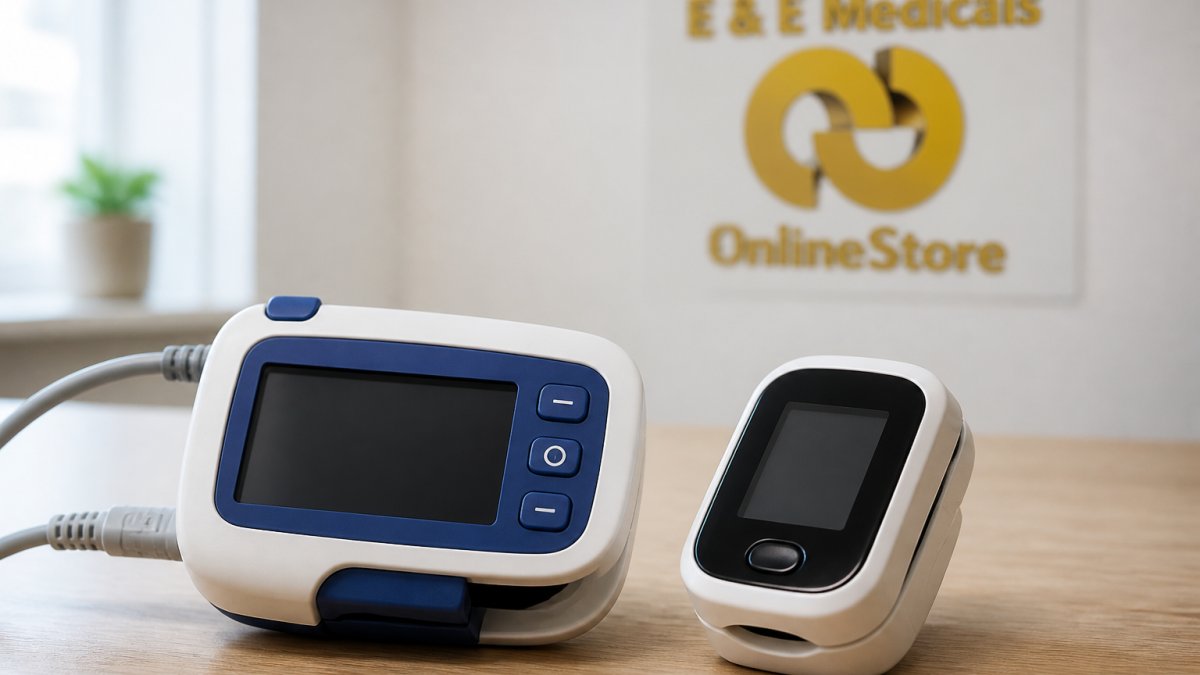
| Pulse oximeter | Oxygen saturation | Seconds | Low upfront; reusable or disposable sensors | Respiratory monitoring |
Vital Signs Monitors
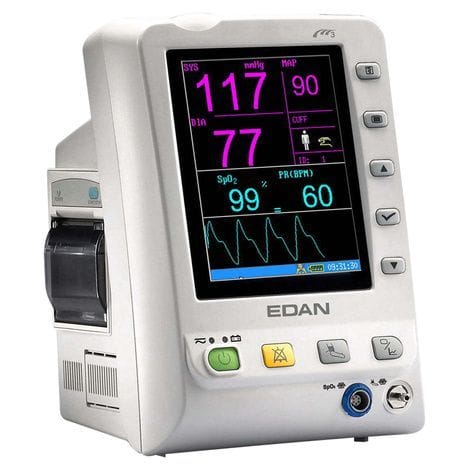
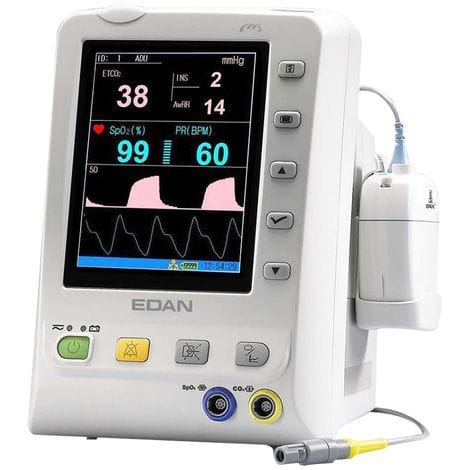
The Edan M3 Vital Signs Monitors are lightweight and portable, with a multi-parameter design suited to adults, children, and newborns.
For capnography, the Edan M3B Vital Signs Monitor adds continuous monitoring for intubated and non-intubated patients, with numeric and waveform data for adult, pediatric, and neonatal use, valuable at home for advanced respiratory conditions or post-hospitalization monitoring.
Handheld ECG and Cardiac Monitoring
The Edan SE-601 Series Six Channel ECG is portable and lightweight, with an alphanumeric keyboard, one-touch operation, and auto-analyzing diagnostic software for adults and pediatrics, a clean rhythm strip without the patient traveling to the office.
Handheld ECG devices fit in a jacket pocket and provide single-lead or six-lead rhythm strips, useful for detecting arrhythmias like atrial fibrillation during a routine visit.
Blood Glucose, Cholesterol, and Lipid Testing
The CardioChek PA Analyzer is a point-of-care device for rapid lipid testing, measuring total cholesterol, HDL, and triglycerides with disposable strips in under two minutes. Its rechargeable battery, backlit display, and Bluetooth connectivity suit home health settings.
When comparing devices in this category, look at cost per test strip and strip shelf life. Some analyzers require calibration with each new lot; others are calibration-free.
Weight, BMI, and Body Composition
The Detecto GP Portable Low Profile Digital Scale is built for home healthcare, running on battery power with carrying handles, a low-profile platform, non-skid mat, and bubble level. A lock or release key holds weights and aids BMI calculation. For heart failure or chronic kidney disease patients, accurate between-visit weight tracking is critical, and the bubble level reduces measurement error on uneven floors.
Portable Ultrasound and Imaging
Portable ultrasound is increasingly accessible for home visits, especially for focused assessments such as bladder volume, abdominal aortic aneurysm screening, or procedure guidance. Handheld probes connecting to a smartphone or tablet are the most portable option at under 500 g; laptop-sized systems offer better image quality but add 2-5 kg. Training matters, and probe covers and gel are recurring consumables.
Otoscope, Vision, and Other Examination Tools
An otoscope for ear exams and an ophthalmoscope for fundoscopic exams are standard in many home-visit kits. Digital otoscopes that connect to a smartphone cut weight and improve documentation, while lightweight vision testing cards serve patients with diabetes or on vision-affecting medications, often overlooked but essential for complete pediatric or geriatric assessments.
How to Choose Based on Visit Type
A cardiac visit may prioritize a handheld ECG, blood pressure monitor, and pulse oximeter; chronic disease management may need a glucose meter, lipid analyzer, and portable scale; a respiratory visit may require a spirometer, pulse oximeter, and stethoscope. Build a core kit and add modules by visit type to cut cost and bag weight.
Choosing Medical Equipment for Home Visits: Selection Criteria and Total Cost
Selection criteria for medical equipment for home visits should weigh four things: accuracy, cleaning, connectivity, and total cost of ownership. Purchase price is only one line in the budget.
Start with accuracy and validation.
Then look at the cost of ownership:
- Consumables. Test strips, cuffs, electrodes, and probes recur monthly; a cheaper device with expensive strips can cost more over a year.
- Calibration and service. Some devices are calibration-free, removing a recurring task and fee.
- Battery replacement. Rechargeable batteries eventually need replacing.
The FDA guidance on medical device quality and labeling is a useful reference for what manufacturers must disclose about intended use and performance.
Home Visit Medical Bag Checklist by Patient and Visit Type
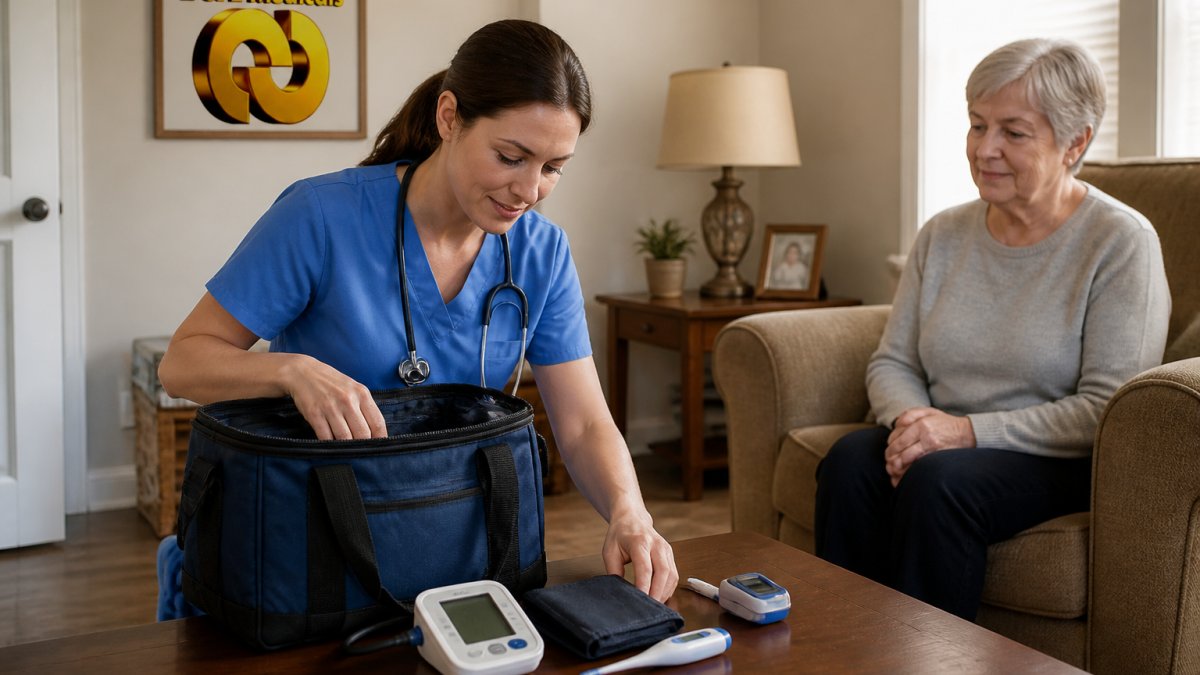
A home visit medical bag checklist should match the visit type rather than carry everything for every patient. Build a core kit, then add modules.
Core kit (every visit):
Edan M3 Vital Signs Monitors →
- Vital signs monitor with blood pressure cuff in multiple sizes
- Pulse oximeter for oxygen saturation
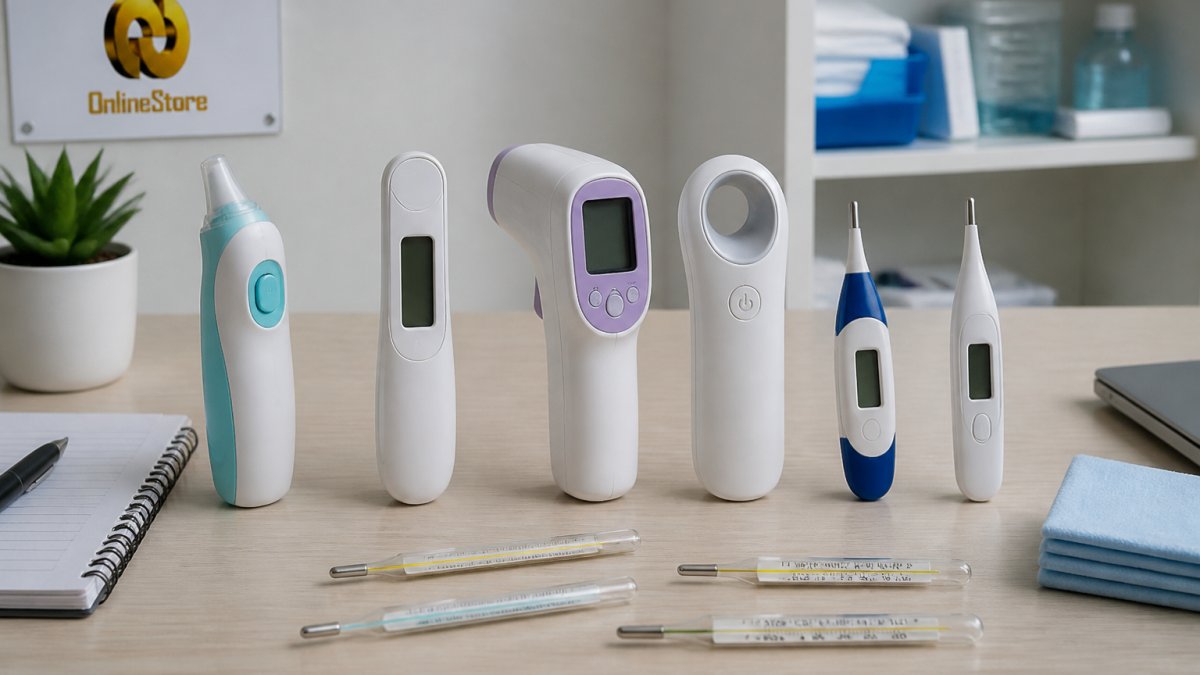
- Thermometer, including a non-contact infrared option
- Digital stethoscope
Cardiac visit add-ons:
- Handheld ECG or six-channel ECG machine
- Blood pressure monitor with an appropriately sized cuff
Chronic disease and screening add-ons:
- Blood glucose meter and test strips
- Lipid analyzer for cholesterol and triglyceride testing
- Portable scale for weight and BMI tracking
Respiratory visit add-ons:
- Spirometer or peak flow meter
- Pulse oximeter for continuous oxygen monitoring
Additional tools round out the bag depending on scope: an otoscope, an ophthalmoscope and vision testing cards, and a digital stethoscope for clearer auscultation in a noisy room. Multidiagnostic devices reduce bag weight, though a single point of failure then affects more of your workflow.
Accuracy, Cleaning, and Portable Diagnostic Equipment Maintenance
Portable diagnostic equipment maintenance comes down to four habits: clean between every patient, verify performance on a schedule, store devices so they are ready when you arrive, and transport them safely.
Cleaning and Disinfection Between Homes
Cleaning first. Wipe high-touch surfaces between households using a disinfectant appropriate for the device. Follow the manufacturer's compatibility list, because some agents degrade plastic housings or display coatings over time. Cuffs and reusable sensors need particular attention since they contact skin directly.
A practical routine: carry two pouches, one for clean devices, one for used.
Accuracy and Validation in Home Settings
Accuracy next. Even calibration-free devices benefit from periodic checks: compare readings against a known reference, log the results, and repeat any reading that looks off, a single outlier can send a treatment plan the wrong way.
Environmental factors also affect accuracy. Most manufacturers specify operating ranges, often around 10-40°C (50-104°F), so let a device acclimate after a cold night in the car.
Storage and Battery Care
Storage last. Keep the bag climate-controlled between visits, since extreme heat in a parked car affects batteries and sensor performance. Charge devices at the end of each day, carry a spare set for removable batteries, and replace degraded lithium-ion batteries rather than whole devices. Log battery replacement dates to avoid mid-visit failures.
Transport and Safe Handling
Transport is an often-overlooked part of maintenance. Carry devices in a padded bag or case, coil cables loosely rather than wrapping them tightly around devices, and use dividers so devices do not knock against each other. Ultrasound probes are fragile and expensive to replace, so use a protective cap or case. Secure the bag while driving and avoid leaving devices in the trunk during extreme weather.
Documentation and Calibration Logs
Even if a device is calibration-free, keep a simple log of when it was last checked and by whom. Some agencies require this for accreditation. If a device is dropped or exposed to liquid, remove it from service and have it inspected before the next use. For devices with software, check for firmware updates periodically; updates can improve accuracy or add features.
Cleaning, verification, charging, and safe transport are not admin tasks. They are the difference between a device you trust and one you second-guess in front of a patient. A simple routine, wipe, verify, charge, secure, takes minutes but protects your readings and your patients.
Connectivity, Documentation, and Scope-of-Practice Considerations
Connectivity and documentation decide how much of your visit ends up in the chart without extra typing.
Before buying, confirm the device exports data in a format your electronic health record accepts, a Bluetooth lipid analyzer is only useful if that data lands where your team can see it.
Documentation also carries compliance weight. Home health agencies must meet documentation standards for reimbursement, and the CMS home health documentation requirements sets expectations for what a record must contain.
Scope of practice is the constraint that catches people off guard: what a device can measure is not the same as what you are licensed to interpret or act on.
Conclusion
Building a home-visit diagnostic kit is a balance between capability and weight, and getting it wrong costs you time on every visit.
E&E Medicals and Consulting Inc supplies professional-grade diagnostic equipment with affordable pricing, fast delivery, and secure payments, so your agency or practice can standardize its kit without overpaying.
Get started with E&E Medicals and Consulting Inc and equip your team with diagnostic tools that hold up in the field.
Frequently Asked Questions
What are some examples of portable diagnostic equipment?
Common examples include vital signs monitors such as the Edan M3, handheld ECG units, digital blood pressure monitors, pulse oximeters, thermometers, blood glucose meters, lipid analyzers like the CardioChek PA, spirometers, otoscopes, and portable scales. The Detecto GP Portable Low Profile Digital Scale, for instance, runs on battery power and has built-in carrying handles, so it works in a patient's bedroom as easily as in an exam room. Build your kit around the assessments your visits actually require.
Which diagnostic tools should clinicians carry on home visits?
Start with the basics every visit needs: a blood pressure monitor, pulse oximeter, thermometer, and stethoscope. Add a portable vital signs monitor if you track multiple parameters on one screen, and a handheld or six-channel ECG if cardiac assessment is part of your scope. For chronic disease follow-up, include blood glucose monitoring and a lipid analyzer. The right bag checklist depends on your patient panel, not on buying every device available.
How do you choose reliable portable diagnostic equipment?
Check four things: whether the device is validated for clinical use rather than consumer wellness, how it handles calibration and quality control, whether it connects to your documentation system, and what consumables or accessories it requires over time. A calibration-free device such as the CardioChek PA Analyzer reduces setup steps, while integrated quality control features give you a record to show during audits. Total cost of ownership, not sticker price alone, decides which option is cheaper across a year of visits.
How should portable medical devices be cleaned and maintained between visits?
Wipe reusable surfaces with a disinfectant compatible with the manufacturer's instructions, paying attention to cuffs, cables, and handles that touch patients. Check batteries and charging contacts before each shift, verify calibration status on devices that need it, and replace disposable test strips or single-use accessories on schedule. Log cleaning and calibration so you can show a clear record. Keeping a spare battery and cuff in the bag prevents a cancelled assessment when something fails mid-visit.